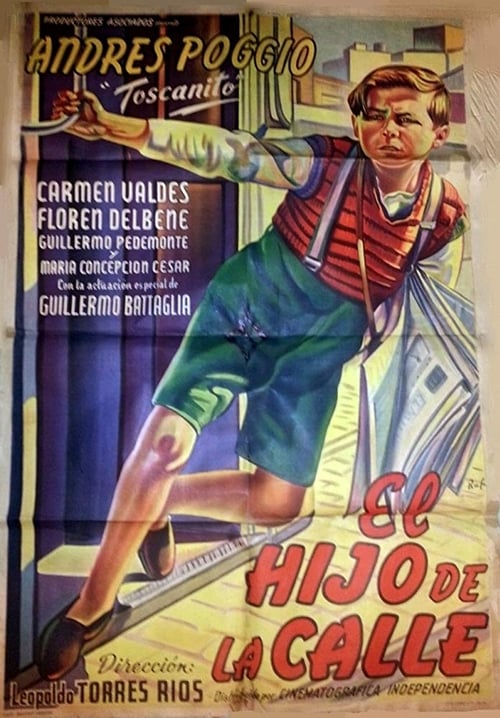
El hijo de la calle
1949
No user ratings available yet
Representation score: 3.1 out of 10

Representation Score
Minimal
1946
Director
Miguel Contreras Torres
Runtime
118 minutes
Average Rating
No ratings yetNew Showbiz Analysis
El hijo de nadie is a product of the Golden Age of Mexican cinema, reflecting the social and cultural norms of 1946. The film adheres to traditional melodramatic structures that emphasize established national identity and conventional social hierarchies. While the film provides a unique non-Hollywood perspective by focusing on Mexican culture, it does not offer the modern complexity of intersecting identities. The narrative upholds the religious and familial norms of the era without challenging them. Ultimately, the film serves as a historical reflection of its time. It offers ethnic representation through its cast but lacks diversity in terms of gender subversion, disability portrayal, or LGBTQ+ visibility.
Category Breakdown
The film follows the social norms of 1946 Mexico and does not show any non-straight gender identities or challenge the idea that everyone is straight.
Meche Barba's character suggests a strong female presence. However, the story likely upholds traditional gender roles and feminine stereotypes typical of mid-century melodrama.
The film showcases a mostly non-Anglo-Saxon cast focused on Mexican identity. While it diverges from Hollywood standards, it adheres to the racial norms of its time.
The story reflects the traditional religious and family structures of mid-century Mexican society. It does not offer critiques of capitalism or modernist views.
There are no characters with visible or invisible disabilities. None of these characters play a central role in the narrative or have significant influence.
Present on Screen
Limited or Absent
1949
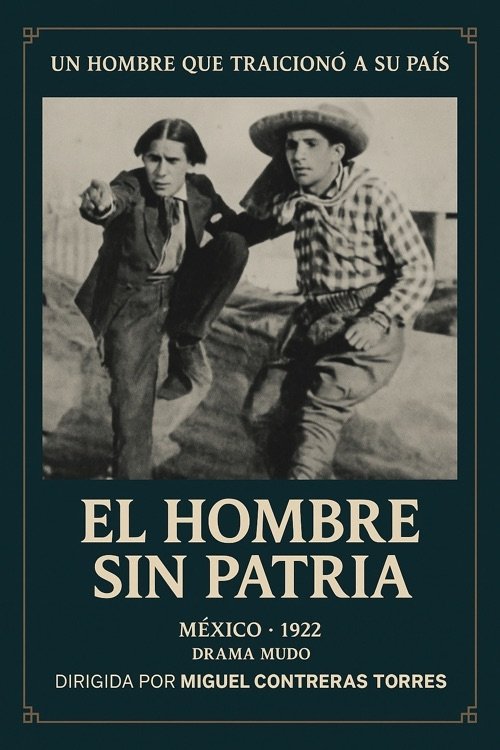
1922
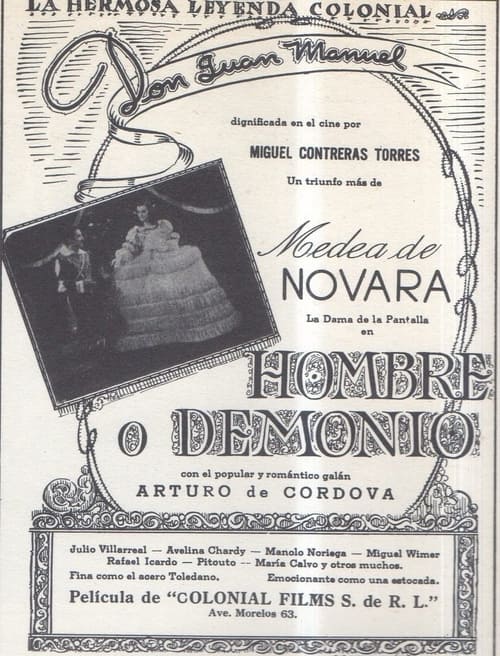
1940
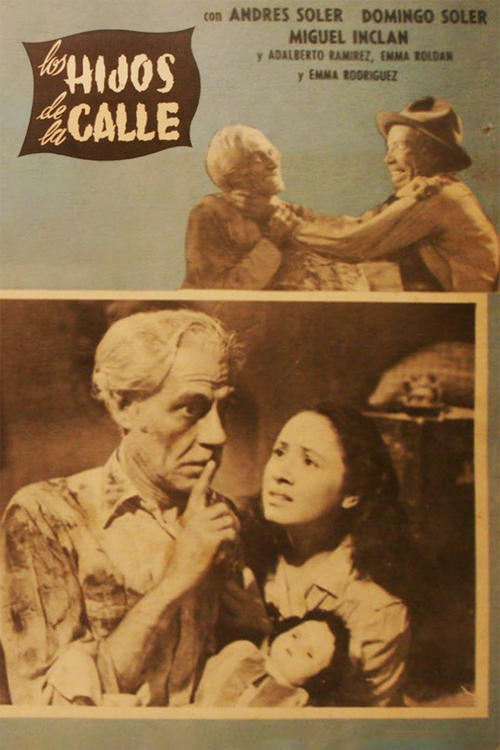
1951
1947
1945
1947
1949
No reviews yet. Be the first to share your thoughts on this movie!
Use the rating form above to leave a star rating and optional review.