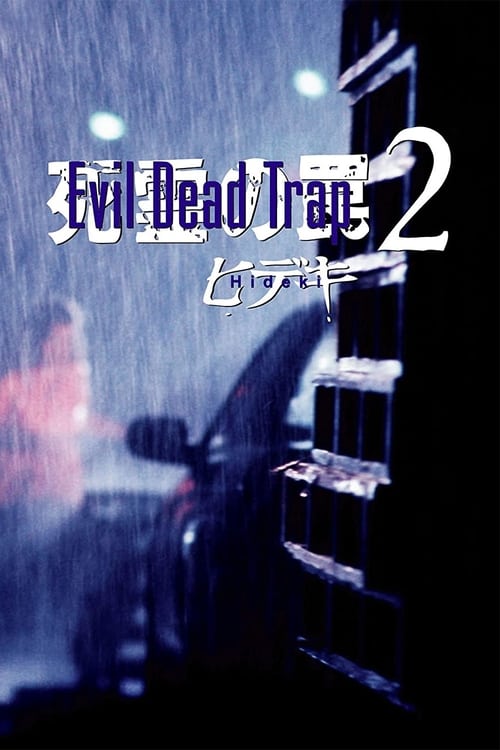
Evil Dead Trap 2: Hideki
1992
No user ratings available yet
Representation score: 5.2 out of 10
Representation Score
Minimal
2006
RDirector
Junichi Suzuki
Runtime
84 minutes
Average Rating
No ratings yetNew Showbiz Analysis
Death Ride operates within the conventional boundaries of the horror-thriller genre. The narrative is driven by individual conflicts and traditional clichés rather than attempts to challenge systemic hierarchies or offer diverse perspectives. The film's primary strength lies in its cross-cultural setup, although this remains superficial. It lacks meaningful representation for LGBTQ+ individuals or people with disabilities, focusing on a narrow character scope. Ultimately, the film functions as a conventional genre piece. It prioritizes psychological tension and occult themes over social commentary or diverse character development.
Category Breakdown
The film does not include any LGBTQ+ characters or non-cisgender identities. The main storyline follows a traditional framework centered around a male protagonist and a female character.
Gender roles adhere to typical thriller conventions. The female character, Yoshikawa, serves mainly as a catalyst for the male lead’s journey rather than showing independent action.
The story involves a cross-cultural interaction between an American photographer and a Japanese character. However, it is unclear if this interaction delves into identity or simply uses genre clichés.
The plot revolves around occultism and supernatural elements. The narrative focuses on a personal psychological struggle rather than critiquing institutional or cultural structures.
The film does not feature any characters with visible or invisible disabilities. There is no representation of neurodivergent individuals.
Present on Screen
Limited or Absent
Official Synopsis
An American photographer has an affair with a mysterious woman (Yoshikawa), which leads him into a confrontation with the occult.
1992
2003
2003
1978
2011

1988
2006
1998
No reviews yet. Be the first to share your thoughts on this movie!
Use the rating form above to leave a star rating and optional review.