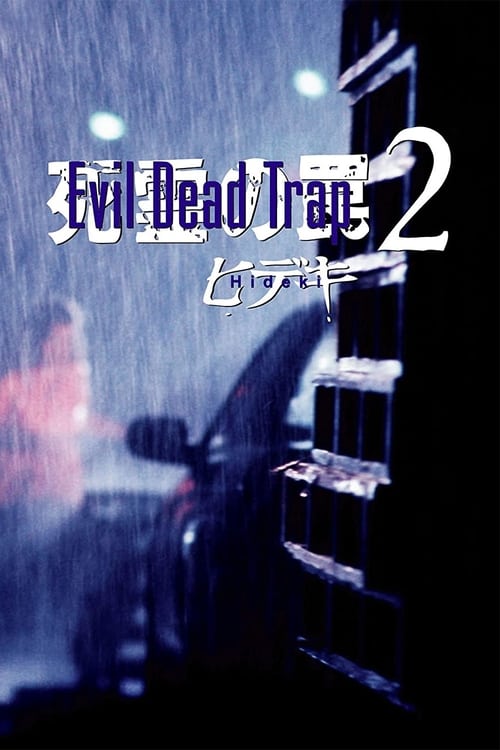
Evil Dead Trap 2: Hideki
1992
No user ratings available yet
Representation score: 5.2 out of 10

Representation Score
Fair
1988
UnratedDirector
Toshiharu Ikeda
Runtime
100 minutes
Average Rating
No ratings yetNew Showbiz Analysis
Evil Dead Trap is a stylized exploration of psychological fragmentation. It succeeds in challenging traditional gender hierarchies by centering the female experience within a surreal, non-linear landscape. The protagonist's struggle is defined by individualistic survival rather than secondary supporting roles. However, the film lacks broad demographic diversity. The cast remains homogeneous, and the narrative does not engage with LGBTQ+ identities or diverse racial blending. The focus is strictly on the breakdown of reality and individual perception. Ultimately, the film's strength lies in its rejection of traditional institutional support. It challenges the viewer's expectations of narrative structure by focusing on a subjective, fragmented reality.
Category Breakdown
The film does not include any LGBTQ+ characters or non-straight relationships. The story centers on the protagonist's psychological journey in a closed horror environment.
A female character is the main focus, emphasizing her sensory experience and endurance rather than traditional romantic or domestic roles.
The cast is predominantly made up of people from similar backgrounds, reflecting the localized context of 1980s Japanese horror. The isolated setting limits opportunities for exploring different racial backgrounds.
The story examines the breakdown of institutional reliability by removing authority figures such as police. It portrays a world where individuals are disconnected from societal protections.
Themes of sensory and cognitive impairment are explored through the protagonist's disorientation. The portrayal of a fractured mental state avoids simplistic horror clichés.
Present on Screen
Limited or Absent
Official Synopsis
A talk show hostess takes a camera crew out to an abandoned factory to investigate a purported snuff film that was made there. As she gets closer to the truth, she and her friends are subjected to a brutal nightmare.
1992
2003

2012
1980
1998
2007
2003
1989
No reviews yet. Be the first to share your thoughts on this movie!
Use the rating form above to leave a star rating and optional review.