
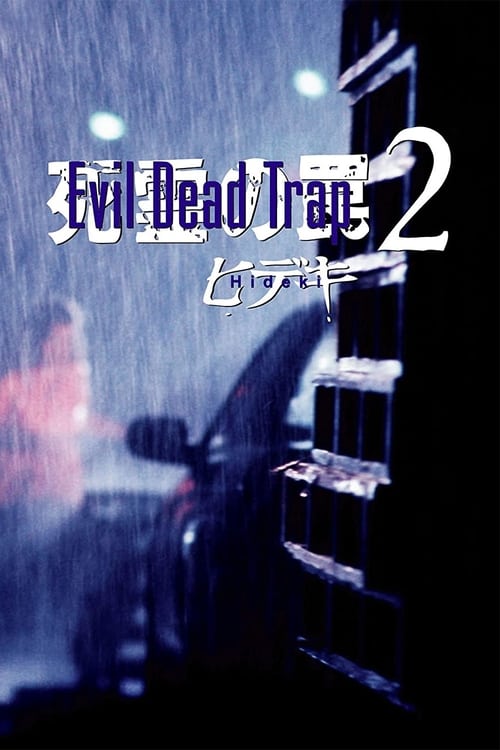
Evil Dead Trap
1988
No user ratings available yet
Representation score: 4.7 out of 10
Representation Score
Fair
1992
Director
Izo Hashimoto
Runtime
97 minutes
Average Rating
No ratings yetNew Showbiz Analysis
Izo Hashimoto’s film emphasizes psychological atmosphere and the deconstruction of reality over social identity. While it provides meaningful roles for female characters, it maintains a traditional demographic makeup. The work excels in exploring fragmented consciousness and postmodernist themes. However, it does not engage deeply with multi-layered frameworks or systemic critiques. Ultimately, the film adheres to standard genre conventions of its time, focusing on internal paranoia rather than diverse social representation.
Category Breakdown
The film centers on psychological horror and visceral fear. There is no indication of non-straight or non-cisgender identities or queer-coded subtext within the story.
Female characters play key roles in driving the plot, showing significant influence in a genre where women are often sidelined. However, the film does not challenge traditional views of masculinity.
The cast and setting are predominantly uniform, reflecting the Japanese production context. There is no evidence of whitewashing or casting actors from different backgrounds.
The film delves into postmodernist themes such as the blurring of reality and nightmares. It does not explicitly critique Western institutions, capitalism, or organized religion.
Themes of mental instability are crucial to the horror experience. These elements serve as genre tools for creating tension rather than nuanced representations of neurodivergence.
Present on Screen
Limited or Absent
Official Synopsis
A female projectionist is haunted by the image of a small boy while a killer prowls the city. The projectionist's relationship with her attractive and successful reporter friend drives the plot deeper into insanity.
1988

2003

2006
1998

1982
2003
1989

2012
No reviews yet. Be the first to share your thoughts on this movie!
Use the rating form above to leave a star rating and optional review.