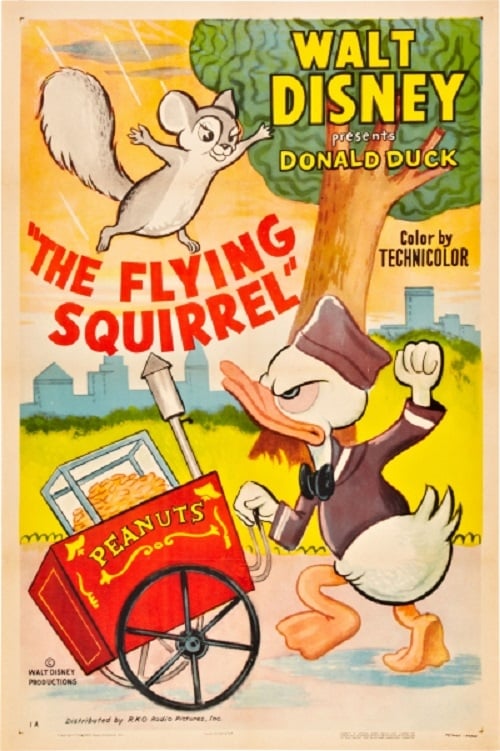
The Flying Squirrel
1954
No user ratings available yet
Representation score: 0.4 out of 10
No Poster Available
Representation Score
Minimal
1941
ApprovedDirector
Frank Tashlin
Runtime
7 minutes
Average Rating
No ratings yetNew Showbiz Analysis
The Fox and the Grapes is a foundational comedic short that prioritizes slapstick humor and classical allegory over social commentary. The narrative structure is built around a traditional fable format that lacks the complexity needed for characters who reflect more than one aspect of diversity. Because the film centers on anthropomorphic animals driven by hunger and deception, it avoids human social hierarchies entirely. It functions as a closed-loop comedic exercise in character motivation rather than a vehicle for identity-based storytelling. Ultimately, the work does not engage with systemic power dynamics or the subversion of social norms, remaining firmly within the bounds of early 20th-century Western animation traditions.
Category Breakdown
The film focuses entirely on an anthropomorphic animal protagonist. There is no depiction of LGBTQ+ identities or same-sex relationships.
Characters are driven by primal instincts rather than social roles. The film operates outside the human gender binary without addressing gender-related hierarchies.
The setting features a homogeneous cast of animals in a pastoral environment. No human racial or ethnic identities are present.
This short functions as a literal adaptation of Aesop’s Fables. It reinforces classical Western literary traditions and moralistic structures.
The fox's physical struggle is a comedic plot device. There are no depictions of physical, sensory, or neurodivergent identities.
Present on Screen
Limited or Absent
Official Synopsis
Illustrating the origin of the term 'sour grapes', (post-Aesop, that is), Crow gets Fox to trade him his picnic lunch for some grapes high on a vine. After many difficulties, the fox manages to get to them but discovers they are sour indeed.
1954
1940
1946
1941
1935
1946
1949
1949
No reviews yet. Be the first to share your thoughts on this movie!
Use the rating form above to leave a star rating and optional review.