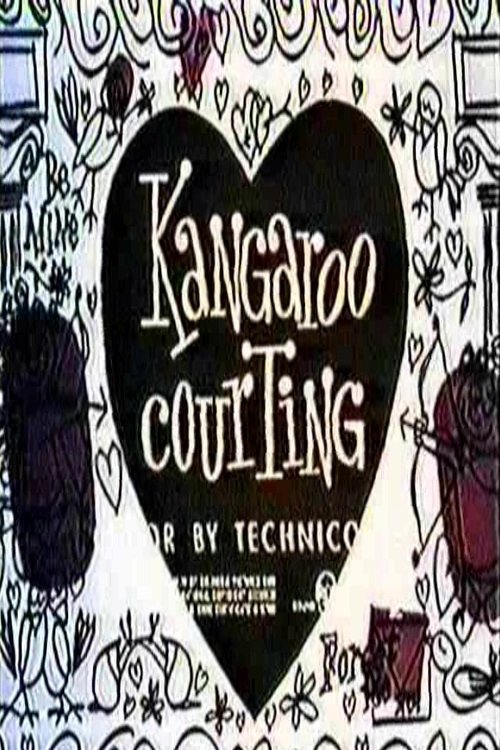
Kangaroo Courting
1954
No user ratings available yet
Representation score: 0.4 out of 10
Representation Score
Minimal
1946
ApprovedDirector
Frank Tashlin
Runtime
8 minutes
Average Rating
No ratings yetNew Showbiz Analysis
The film is a character-driven situational comedy based on mid-century themes. It relies on the escalation of romantic misunderstandings and social etiquette to advance the plot. While the names suggest a specific cultural context, the film lacks the complexity needed for meaningful representation of multiple aspects of diversity. The narrative structure follows conventional courtship dynamics and traditional social values.
Category Breakdown
The film focuses on a traditional heterosexual relationship. There is no representation of LGBTQ+ identities or narratives that question the assumption that everyone is straight.
The story reinforces traditional gender roles. The female character is defined by her social status, while the male protagonist drives the plot through his persistence.
Names like Pepito and Senorita suggest a Latin American setting. However, it is unclear if this provides depth or merely serves as stylistic shorthand.
The plot centers on Western social rituals like weddings and dining. It treats marriage as a comedic device rather than a serious subject for critique.
There are no characters identified as having visible or invisible disabilities in the narrative.
Present on Screen
Limited or Absent
Official Synopsis
Pepito approaches a beautiful senorita who icily rebuffs him, but he is persistent and she allows him to take her to an upscale restaurant, where Pepito can not pay the bill. The consequences are realized later when he finds himself at the altar, about to be married, a confused victim of a misunderstanding.
1954
1954
1936
1945
1941

1957
1936

1943
No reviews yet. Be the first to share your thoughts on this movie!
Use the rating form above to leave a star rating and optional review.