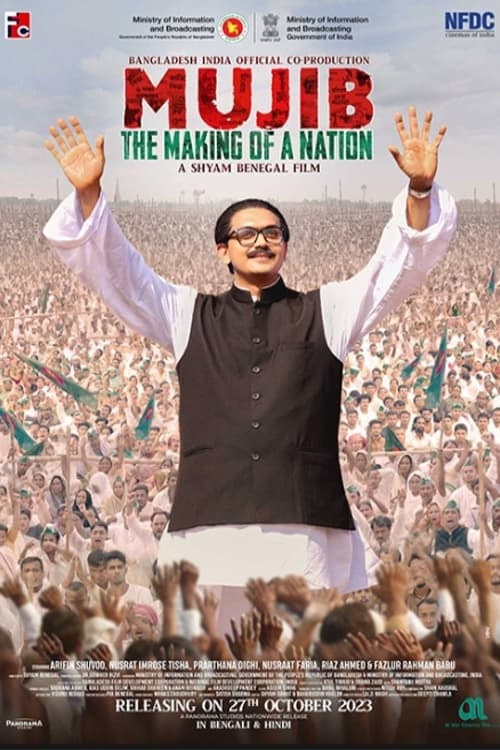
Mujib: The Making of a Nation
2023
No user ratings available yet
Representation score: 3.2 out of 10
Representation Score
Limited
1996
Director
Shyam Benegal
Runtime
144 minutes
Average Rating
No ratings yetNew Showbiz Analysis
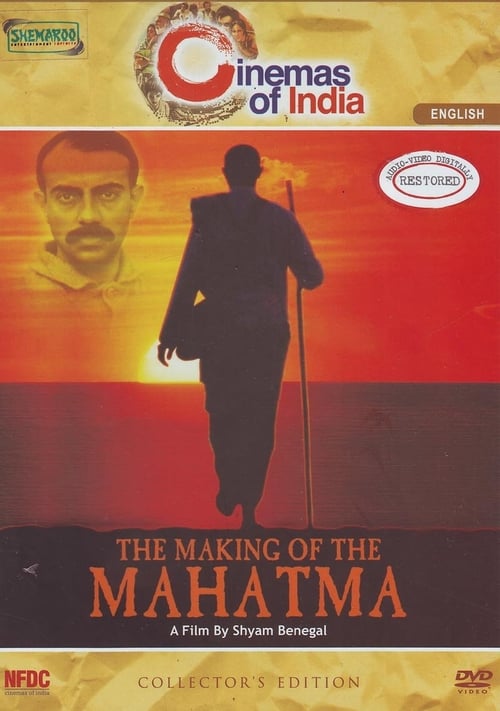
Shyam Benegal's drama is a sophisticated exploration of post-colonial identity. It succeeds by highlighting the ability to act of the Indian diaspora and dismantling Western-centric historical narratives through the lens of racial struggle. While the film excels in its critique of imperial power and systemic injustice, it remains tied to the social hierarchies of its period. The portrayal of women follows traditional domestic structures rather than challenging them. Ultimately, the film is a rigorous deconstruction of colonial dominance. It prioritizes the reclamation of identity and the struggle for self-determination against an oppressive imperial apparatus.
Category Breakdown
The film does not include any LGBTQ+ characters or narratives. The story focuses exclusively on Gandhi's life and political development during his time.
Kasturba Gandhi is a central figure, but her role stays within traditional domestic frameworks. The narrative emphasizes male-led political asceticism over overturning gender hierarchies.
The film provides a powerful depiction of the Indian diaspora in South Africa. It highlights the systemic discrimination faced by non-white populations under British colonial rule.
The narrative offers a profound post-colonial critique of Western imperial institutions. It centers the philosophy of Satyagraha to challenge the moral authority of the state.
There are no central depictions of visible or invisible disabilities within the narrative arc.
Present on Screen
Limited or Absent
Official Synopsis
The struggles of Mohandas Gandhi in South Africa.
2023

2010

1959
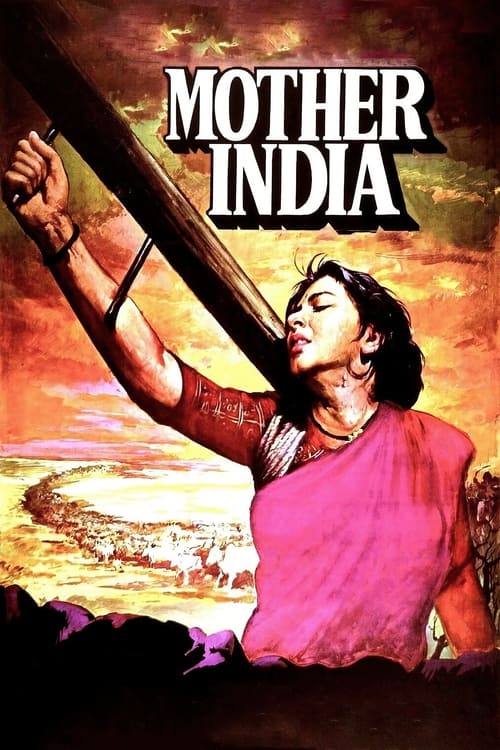
1957

1995

1989

1990

2005
No reviews yet. Be the first to share your thoughts on this movie!
Use the rating form above to leave a star rating and optional review.