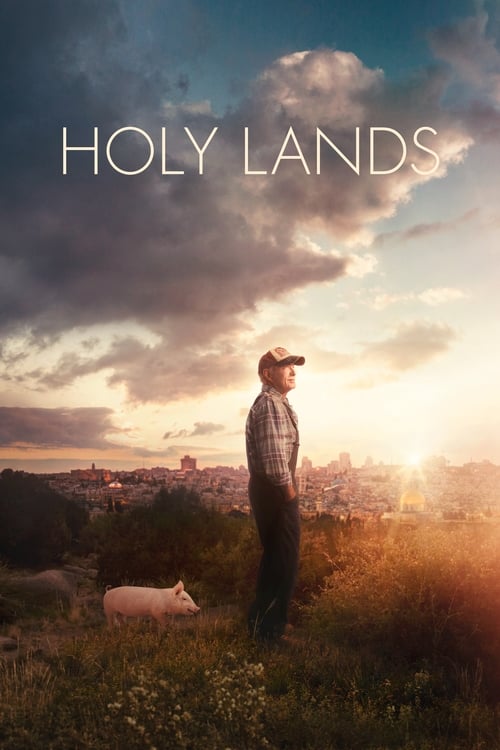
Holy Lands
2019
No user ratings available yet
Representation score: 5.9 out of 10

Representation Score
Fair
1996
PG-13Director
Bille August
Runtime
168 minutes
Average Rating
No ratings yetNew Showbiz Analysis
Jerusalem is a sophisticated historical drama that prioritizes the complexity of intersecting identities over simplified archetypes. By integrating queer identity into the fabric of ethnic and religious conflict, the film challenges conventional genre expectations. The film's strength lies in its use of personal, transgressive desire to bridge and complicate ethnic divides in Mandatory Palestine. This approach shifts the focus from broad political movements to the intricate dynamics of human connections. However, the narrative remains centered on male-centric experiences, limiting broader explorations of gendered power dynamics.
Category Breakdown
The film focuses on homoerotic tension and queer desire as key elements of the plot. These relationships challenge the assumptions of the time regarding straight and cisgender norms. The story also questions religious structures of the 1930s setting.
The narrative emphasizes male-centric psychological dynamics. It explores gendered power dynamics primarily through the central male protagonists, offering limited perspectives on other gender roles.
The story effectively depicts the tensions between Jewish and Arab populations. It avoids simplifying these identities by placing them at the heart of an intimate relationship, highlighting the complexities of their interactions.
The film examines the conflicts between local religious identities and Western colonial structures. It portrays personal desire as a form of rebellion against rigid, dogmatic institutions.
There is no significant evidence regarding the portrayal of physical or neurodivergent disabilities within the narrative.
Present on Screen
Limited or Absent
Official Synopsis
Members of a devout Christian congregation try to start a new life in Palestine.
2019
1987

2005
1955

2005
1991
1986
2018
No reviews yet. Be the first to share your thoughts on this movie!
Use the rating form above to leave a star rating and optional review.