
The Night
1992
No user ratings available yet
Representation score: 5.2 out of 10
Representation Score
Good
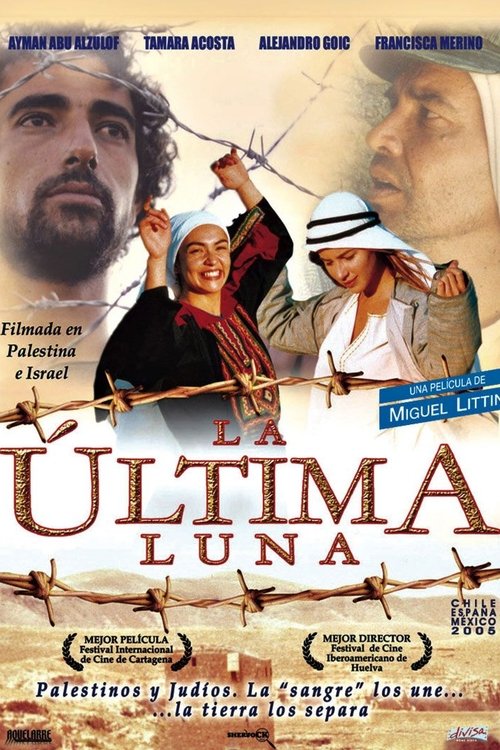
2005
Director
Miguel Littín
Runtime
105 minutes
Average Rating
No ratings yetNew Showbiz Analysis
Miguel Littín’s work succeeds as a piece of socially conscious cinema by centering a non-Western historical struggle. The film's strength lies in its sophisticated handling of ethnic the way different parts of someone's identity overlap and its critique of systemic oppression through the lens of the Levant's complex history. However, the film adheres to traditional character archetypes regarding gender and identity. The narrative scope is dominated by macro-level territorial conflicts, which leaves little room for diverse personal identities or the subversion of established social hierarchies. Ultimately, the film is a powerful exploration of cultural and racial complexity, even if it remains limited in its representation of gender control and LGBTQ+ perspectives.
Category Breakdown
The film focuses on geopolitical and ethnic tensions in the early 20th-century Levant. There is no presence of LGBTQ+ identities or narratives that question the assumption that everyone is straight or cisgender.
The plot drivers are primarily male-centric, focusing on political and social tensions. Women exist within the social fabric but mostly occupy roles defined by the broader conflict rather than exercising independent control over their lives.
The film excels by centering the relationship between Soliman, a Palestinian, and Jacob, a Jewish man. This disrupts monolithic portrayals of identity and provides a nuanced look at the way different parts of someone's identity overlap.
The narrative engages with the lasting effects of historical colonization and the systemic displacement of populations in 1914 Palestine. It critiques the corruption of state-driven violence and the fragility of peace.
There is no significant evidence of characters with visible or invisible disabilities serving as central agents. The narrative focus remains on the physical and political survival of the protagonists.
Present on Screen
Limited or Absent
Official Synopsis
Palestine 1914. One morning in July, Soliman, a young Palestinian and Jacob, his Jewish friend, begin to build a house in Beit-Sajour, in the hills of Judea, with stones brought from Beit-Jala, while the apparent stillness of the place is interrupted by bursts of violence that anticipate the future days of the war.
1992
2008

2015

2009
2006
2011

2012

2021
No reviews yet. Be the first to share your thoughts on this movie!
Use the rating form above to leave a star rating and optional review.