The Shadows
2007
No user ratings available yet
Representation score: 4.0 out of 10
Representation Score
Minimal
2020
TV-MADirector
Aaron J. Davis
Runtime
79 minutes
Average Rating
No ratings yetNew Showbiz Analysis
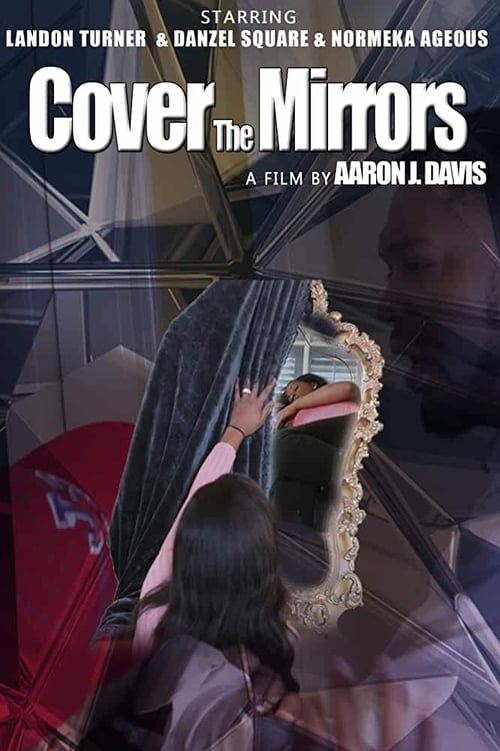
Cover the Mirrors is a psychological thriller that relies on traditional character types. The narrative highlights the destructive impact of envy and interpersonal violence among longtime friends. The film lacks demographic diversity and does not challenge conventional social structures. It leans on well-known formulas of domestic trauma and professional rivalry rather than exploring deeper layers of identity. Overall, the work emphasizes a localized mystery over broader social critiques or diverse representation, adhering to a conventional approach to the genre.
Category Breakdown
The film does not include any representation of LGBTQ+ identities or same-sex relationships. The main relationship is a traditional marriage between Aaron and Kimberly.
The plot is driven by conflicts centered around male characters and their professional ambitions. Kimberly's role is largely defined by a violation of her ability to make her own decisions and take action.
The narrative does not provide any information about the racial or ethnic backgrounds of the characters. It is unclear whether the cast includes actors of diverse racial or ethnic backgrounds.
The story focuses on middle-class aspirations and individual struggles rather than broader systemic issues. It centers on personal tragedies and interpersonal conflicts rather than exploring larger cultural themes.
The film does not explore neurodivergence or physical disabilities. There is no indication that characters navigate the world through the lens of disability or mental health.
Present on Screen
Limited or Absent
Official Synopsis
Aaron, Kimberly, and Malcolm all grew up together from the age of seven years old. Aaron and Kim married, while Malcolm was still a best friend until he got fired from CMS writing firm. Malcolm then became more envious of Aaron's life, having a successful writing career and a beautiful wife. Malcolm goes behind Aaron's back and rapes Kim in front of the Mirrors - but the Mirrors tell all.
2007

2008
2002

2010
2014
2009
2018
1998
No reviews yet. Be the first to share your thoughts on this movie!
Use the rating form above to leave a star rating and optional review.