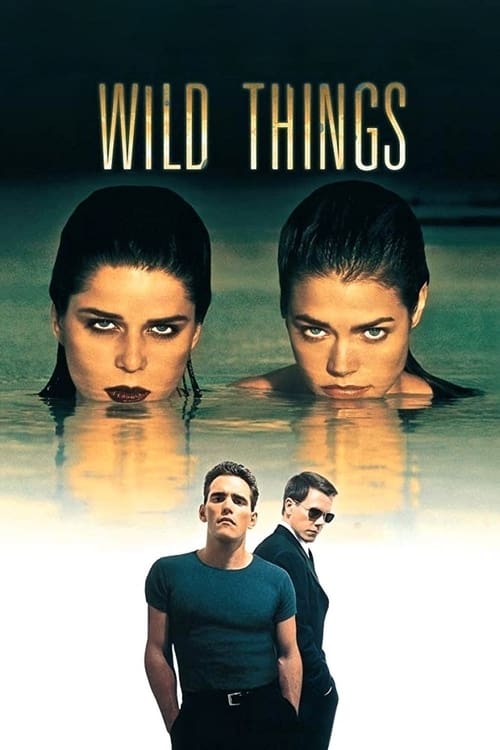
Wild Things
1998
No user ratings available yet
Representation score: 3.7 out of 10
Representation Score
Good
2009
RDirector
Jordan Scott
Runtime
104 minutes
Average Rating
No ratings yetNew Showbiz Analysis
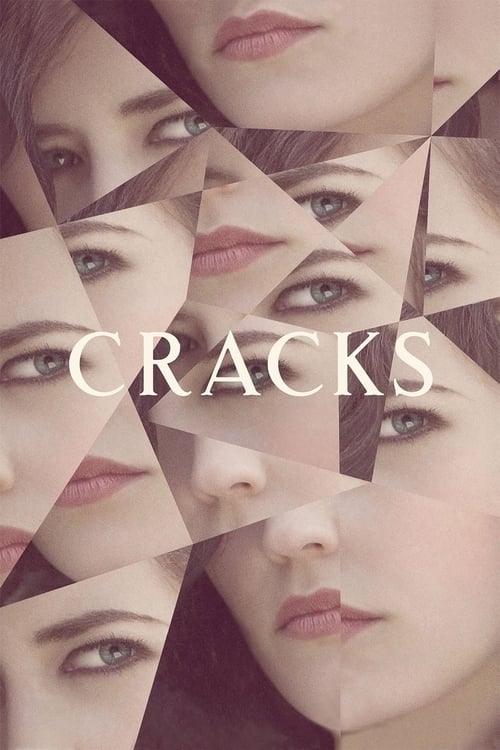
Cracks is a psychologically complex period drama that deconstructs traditional social hierarchies. It places women in roles of intellect and authority, moving beyond simple maternal clichés to explore volatile power structures. The film's strength lies in its non-traditional gender dynamics and its critique of traditional institutions through psychological decay. However, it is limited by its historical setting, which results in a lack of racial and ethnic diversity. Additionally, it uses psychological instability as a thriller device rather than providing nuanced disability representation.
Category Breakdown
The film centers on intense, homoerotic tension between Miss Gordell and her students. This approach challenges traditional expectations of female mentorship and social interactions.
Women hold every position of power and play a significant role in driving the story. The film subverts traditional maternal archetypes by presenting educators as figures of psychological instability.
Reflecting its 1930s setting, the cast is predominantly white and upper-class. The narrative does not include diverse characters to disrupt historical homogeneity.
The story critiques traditional Western institutions by portraying the boarding school as a site of psychological decay. It explores moral relativism through characters navigating deception and social manipulation.
Psychological fragility is used primarily as a thematic tool for the thriller's mystery. There is no explicit representation of neurodivergence or chronic illness.
Present on Screen
Limited or Absent
Official Synopsis
Jealousy flares after the headmistress of an elite boarding school for girls becomes obsessed with a new student.
1998

2018
2018
2017

2015
1992
2006
1961
No reviews yet. Be the first to share your thoughts on this movie!
Use the rating form above to leave a star rating and optional review.