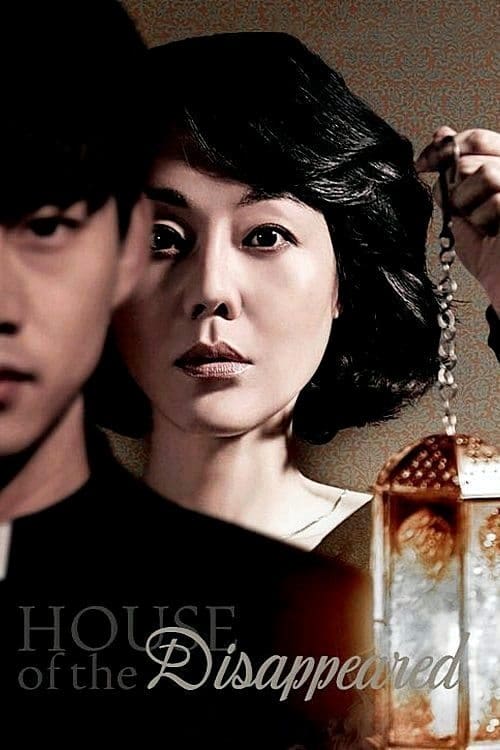
House of the Disappeared
2017
No user ratings available yet
Representation score: 4.0 out of 10

Representation Score
Limited
2018
Director
Lou Simon
Runtime
80 minutes
Average Rating
No ratings yetNew Showbiz Analysis
The film stands out by empowering its female protagonist, giving her a central role in a high-stakes conflict and challenging traditional power structures. However, the story remains centered around a conventional heterosexual relationship, lacking representation of LGBTQ+ identities, racial diversity, or disability. While the critique of the legal system adds depth, the narrative falls short in providing broad representation.
Category Breakdown
The main storyline focuses on a heterosexual relationship without any representation of LGBTQ+ identities or non-cisgender gender expressions.
The film challenges the stereotype of female passivity by highlighting the protagonist's active role and decision-making in orchestrating a kidnapping, shifting power dynamics away from traditional male authority.
The available information provides no details regarding the racial composition of the cast. It is impossible to determine if the ensemble includes diverse ethnic representation.
The story critiques Western judicial systems by presenting extralegal actions as a means for personal justice, exploring subjective morality.
There is no indication of characters with physical, sensory, or neurodivergent disabilities in the provided context.
Present on Screen
Limited or Absent
Official Synopsis
With the help of her husband, a woman tries to get her rapist to own up to what he did to her by kidnapping him. He does not admit to the act, which means the couple must go to greater lengths to get a confession out of him and on record to dispute his alibi.
2017
2020
2020

2010

2019

2016

2017

2018
No reviews yet. Be the first to share your thoughts on this movie!
Use the rating form above to leave a star rating and optional review.