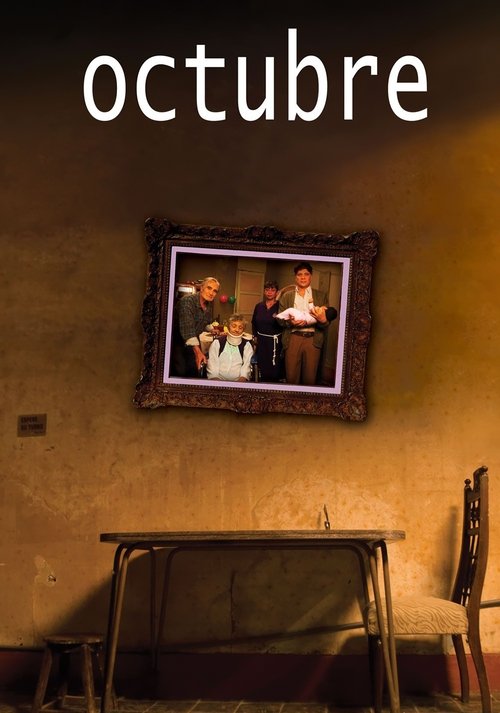
October
2010
No user ratings available yet
Representation score: 4.4 out of 10
Representation Score
Fair
2004
Director
María Victoria Menis
Runtime
93 minutes
Average Rating
No ratings yetNew Showbiz Analysis
María Victoria Menis presents a gritty character study that avoids typical melodrama. The film examines human dysfunction and social instability in rural Entre Ríos with an observational lens. However, it does not include explicit representation of LGBTQ+ identities or disabilities. While it critiques patriarchal roles and class-based identity, these specific categories are not addressed in the narrative.
Category Breakdown
The film does not focus on LGBTQ+ identities or relationships outside of traditional heterosexual norms. Felix’s relationship with the child is shown through his social isolation rather than his sexual orientation.
The movie challenges traditional gender roles by showing the wife's quiet submission in a violent household. It also breaks the stereotype of the stable provider by depicting the husband as a source of instability.
The film highlights the socio-economic conditions of Argentina’s rural areas. It offers meaningful representation of working-class and rural communities, avoiding the usual focus on urban or Eurocentric settings.
The story questions the idealized nuclear family by showing it as a place of conflict rather than a sanctuary. It emphasizes a realistic, secular perspective over moralistic or religious teachings.
There is no explicit depiction of physical or neurodivergent disabilities in the narrative.
Present on Screen
Limited or Absent
Official Synopsis
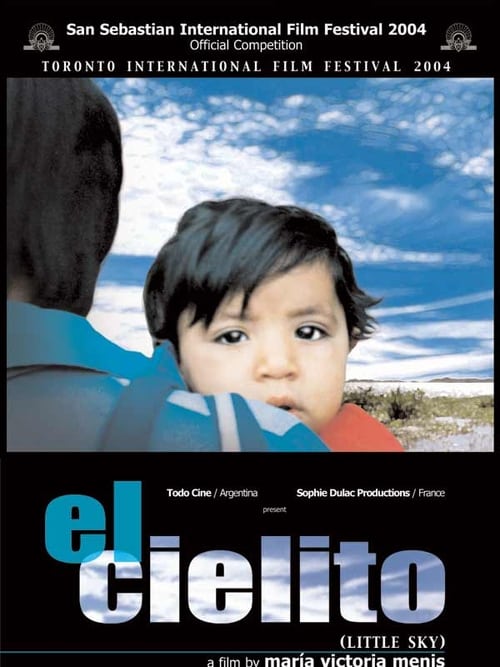
Felix, a 21-year-old loner and drifter who seeks a way of life comes to a humble village entrerriano and work relationship with a man who after losing his job while you earn a living selling fruit, candy and canned prepared by his wife. The man takes his camper, which may help in exchange for food and a corner to sleep. As the days pass, tried to identify the bitter resentment of man, the quiet submission of his wife, discontent and violence undercover tense atmosphere. Also living there Chango, a baby a year and a half, unattended, which awakens in him the illusion of paternity until he is kidnapped and flees taking him to Buenos Aires.
2010
1994
2004
2015

2014
2001
2016
1999
No reviews yet. Be the first to share your thoughts on this movie!
Use the rating form above to leave a star rating and optional review.