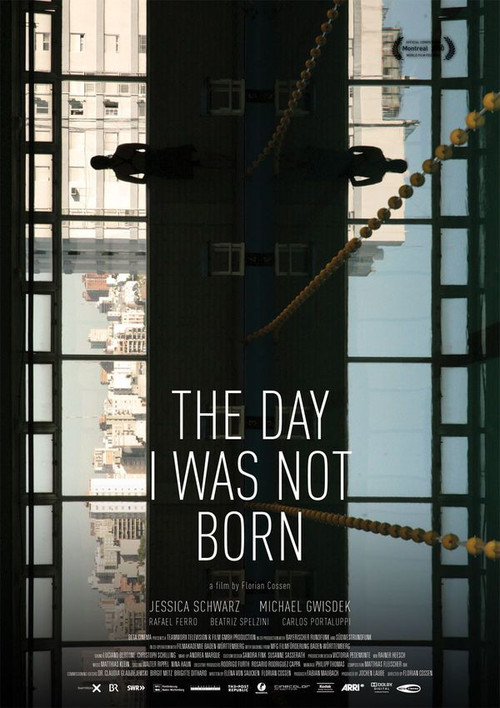
The Day I Was Not Born
2010
No user ratings available yet
Diversity score: 5.2 out of 10

2008
Director
Lucía Cedrón
Runtime
90 minutes
Average Rating
No ratings yetSynopsis
The kidnapping 77-year-old man in Argentina forces his daughter to return to Buenos Aires after years of exile abroad.
Overall Score
Fair
Category Breakdown
LGBTQ+ Representation
The film lacks explicit evidence of LGBTQ+ characters or non-heteronormative narratives. While themes of exile might touch on identity, there is no visible queer representation.
Gender Representation
A female protagonist drives the plot as she navigates a family crisis. This provides a level of female agency, though the film's subversion of gender hierarchies remains unverified.
Racial & Ethnic Diversity
The production reflects regional Argentine demographics. However, there is no clear evidence that the film actively challenges racial hierarchies or utilizes intersectional casting.
Religious & Cultural Diversity
The narrative explores themes of exile and the tension between individuals and traditional institutions. It suggests a critique of the sanctity of the family unit.
Disability Representation
There is no documented evidence regarding the portrayal of physical or neurodivergent disabilities in this work.
Strengths
Areas for Improvement
AI Analysis
Lamb of God is a character-driven drama that centers on a female protagonist navigating a crisis in Buenos Aires. The film's strength lies in its potential for psychological depth and its exploration of displacement and familial duty. However, the film lacks clear evidence of intersectional identity markers. While the female lead provides a foundation for gendered agency, the narrative does not explicitly address LGBTQ+ visibility or disability. Ultimately, the film functions as a regional drama that reflects standard Latin American demographics without documented attempts to disrupt systemic social hierarchies.
2010

2004

2010

2013

2004

2022

2004

2009

2015

2016

2016

2004
No reviews yet. Be the first to share your thoughts on this movie!
Use the rating form above to leave a star rating and optional review.