
The Hourglass Sanatorium
1973
No user ratings available yet
Diversity score: 4.8 out of 10
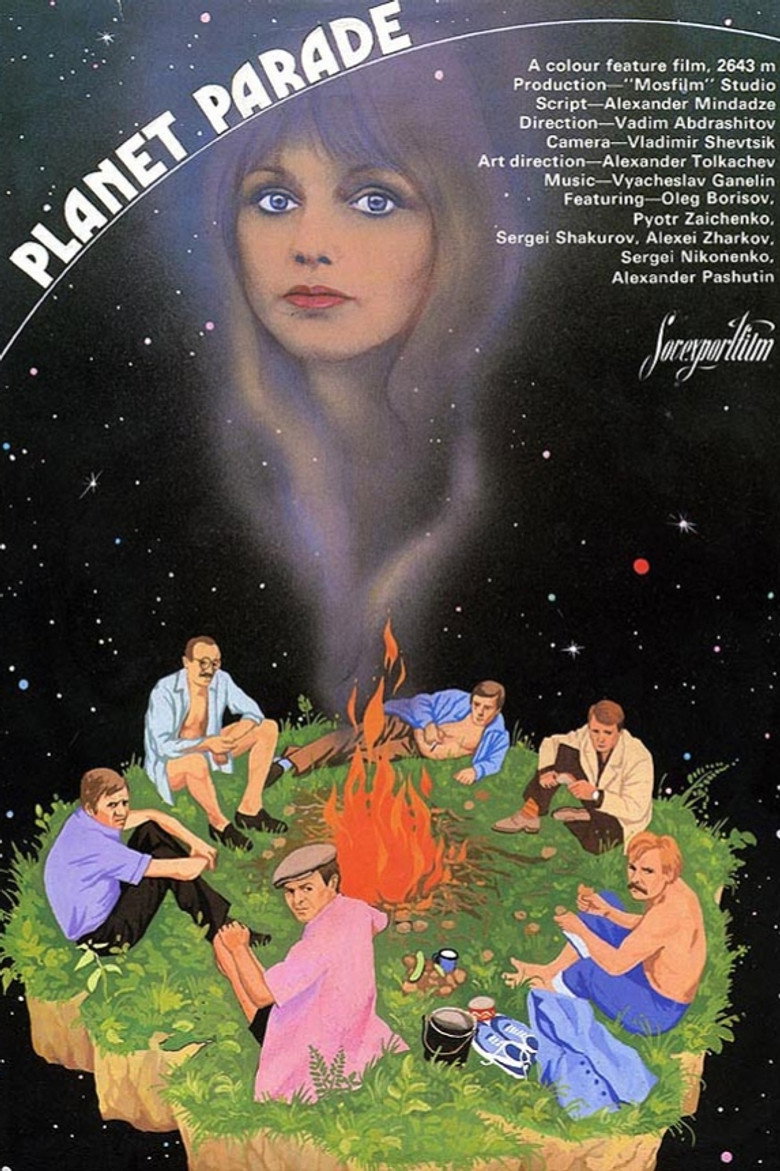
1984
Director
Vadim Abdrashitov
Runtime
92 minutes
Average Rating
No ratings yetSynopsis
A rare astronomical phenomenon — the parade of planets — has a strange effect on several men. The heroes of the film — an astrophysicist, locksmith, salesman, architect, loader, trolley bus driver — are called up for military training, which ends ahead of time. There is a strange pause in their life — no one knows where they are, no one is waiting for them, and they themselves can not rush anywhere. This short respite in a hasty and busy life gives the heroes the opportunity to experience strong and very important feelings for them.
Overall Score
Fair
Category Breakdown
LGBTQ+ Representation
The film lacks explicit depictions of LGBTQ+ identities or non-heteronormative romantic structures. The narrative focuses on the internal emotional landscapes of male protagonists without queer subtext.
Gender Representation
The narrative is heavily centered on a male ensemble across various social strata. It lacks significant female agency or the subversion of traditional gender hierarchies.
Racial & Ethnic Diversity
The cast reflects a relatively homogeneous social group consistent with its 1984 Soviet setting. There is no evidence of intentional racial blending or ethnic exploration.
Religious & Cultural Diversity
The film emphasizes secularism and existential subjectivity over traditional religious moralities. It prioritizes intellectual inquiry and a relativistic approach to the human experience.
Disability Representation
There is no verifiable evidence regarding the depiction of physical or neurodivergent disabilities within the film.
Strengths
Areas for Improvement
AI Analysis
Parade of the Planets is a work of psychological realism that prioritizes existential inquiry over demographic representation. The film focuses on a group of men—ranging from scientists to laborers—navigating a strange temporal pause in their lives. While the film lacks intersectional identity politics or diverse representation of gender and race, it succeeds in offering a culturally distinct perspective. It challenges rigid, goal-oriented societal structures by favoring a contemplative, secular, and subjective human experience. Ultimately, the film's impact stems from its disruption of conventional narrative momentum rather than its engagement with diverse social identities.
1973

2007

2000

1973
1997

2012

1991
1980

2019

1992

2014
No reviews yet. Be the first to share your thoughts on this movie!
Use the rating form above to leave a star rating and optional review.