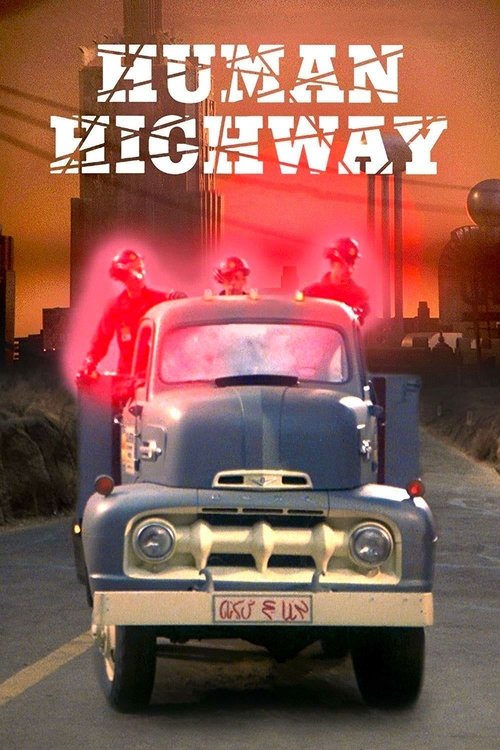
Human Highway
1982
No user ratings available yet
Representation score: 7.2 out of 10

Representation Score
Limited
1973
PGDirector
David Acomba
Runtime
93 minutes
Average Rating
No ratings yetNew Showbiz Analysis
Slipstream primarily serves as a character study of isolation and the tension between personal autonomy and commercialism. While it delves into the rebellion of independent media against mainstream control, it lacks depth in representing diverse identities. The film's focus on a reclusive DJ provides a platform for exploring non-conformity, yet the character dynamics remain traditional. The narrative relies on standard social pressures rather than diverse identity-driven arcs. Overall, the film reflects the demographic and social norms of 1973, providing a moderate critique of institutional authority without broader social representation.
Category Breakdown
The film does not explicitly identify any characters as LGBTQ+. The romantic relationship is undefined, suggesting a focus on conventional structures.
The story centers around a male protagonist's quest for independence. Female characters are portrayed as external pressures rather than as independent agents with significant influence.
Set in rural Alberta, the film likely reflects the demographic homogeneity of the time. There is no indication of diverse casting or non-white characters driving the plot.
The pirate radio theme offers a subtle critique of centralized media authority. It emphasizes individualistic expression over mainstream institutional and capitalist standardization.
There is no mention of characters with visible or invisible disabilities in the narrative.
Present on Screen
Limited or Absent
Official Synopsis
A reclusive Albertan DJ runs his popular pirate radio station in a remote farmhouse but begins to feel pressure from his romantic relationship with a fan and his producer who wants more mainstream content.
1982

1989

1981

1980
1989

1981

1996

1989
No reviews yet. Be the first to share your thoughts on this movie!
Use the rating form above to leave a star rating and optional review.