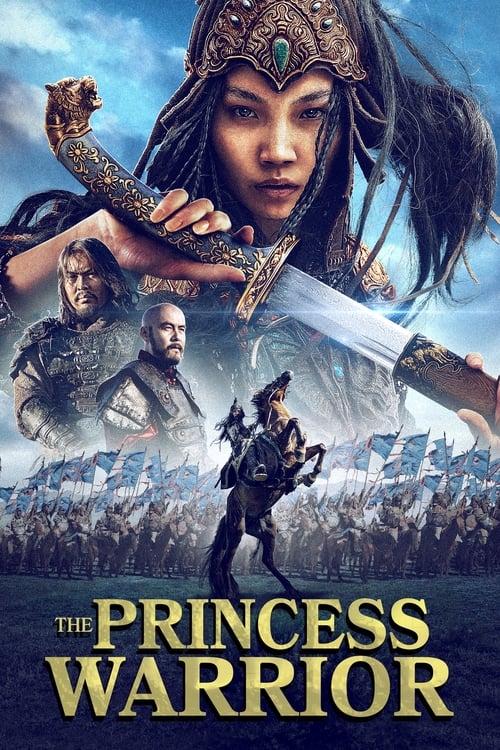
The Warrior Princess
2021
No user ratings available yet
Diversity score: 7.5 out of 10
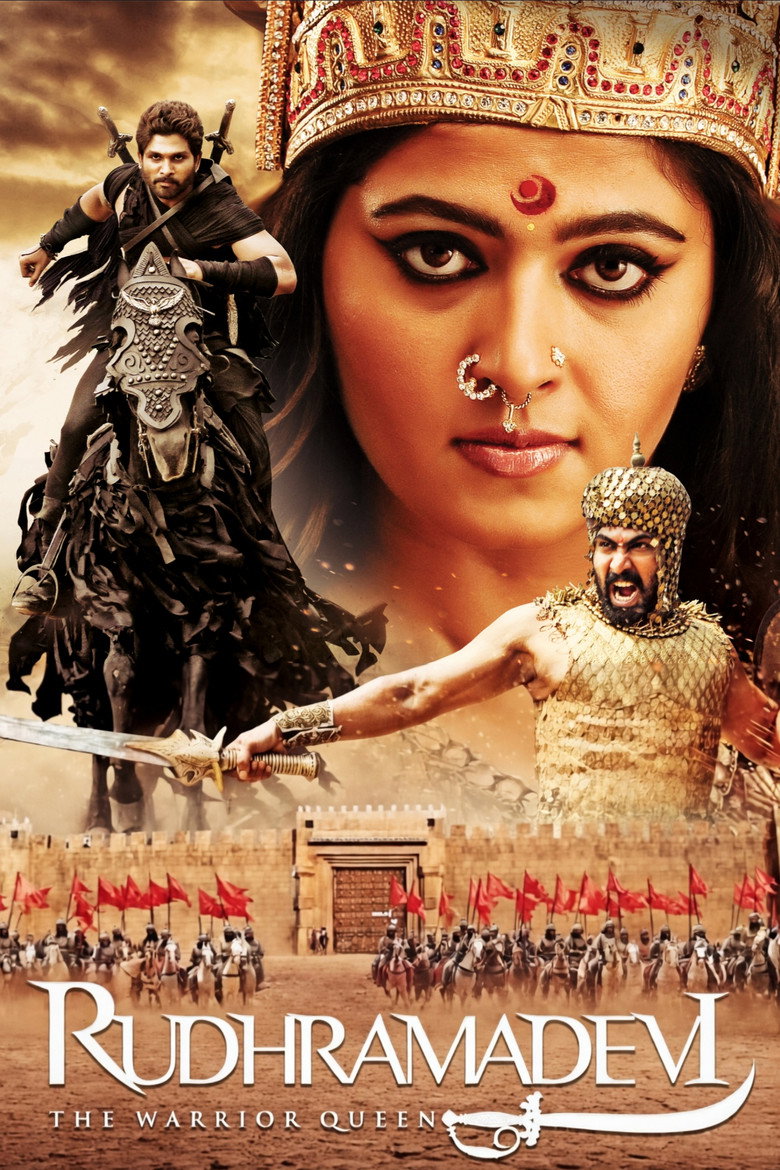
2015
Not RatedDirector
Gunasekhar
Runtime
165 minutes
Average Rating
No ratings yetSynopsis
Rudraba, daughter of Ganapatideva, the emperor of the Kakatiya dynasty, was officially designated a son through the ancient Putrika ceremony and given the name Rudradeva so that she could succeed her father after his death. Despite opposition, she became of the most prominent rulers of the Kakatiya dynasty and one of the few ruling queens in Indian history.
Overall Score
Good
Category Breakdown
LGBTQ+ Representation
The film lacks explicit LGBTQ+ characters or narratives centered on sexual orientation. While the protagonist performs masculinity to secure power, this is a pragmatic political tool rather than an exploration of queer identity.
Gender Representation
The film excels at subverting traditional hierarchies by centering a woman with superior intellect and military leadership. It critiques gendered restrictions by showing the protagonist's need to adopt a male persona to rule.
Racial & Ethnic Diversity
Set in 13th-century India, the film maintains high ethnic authenticity through a South Indian cast. It avoids whitewashing, offering a robust historical perspective that centers on the Kakatiya dynasty.
Religious & Cultural Diversity
The narrative utilizes Hindu iconography and monarchical structures typical of its era. It focuses on sovereignty and duty, providing a nuanced critique of systemic institutional resistance to change.
Disability Representation
There is little evidence of disability representation within the primary character arcs. The focus remains on political intrigue and warfare, leaving little room for exploring neurodivergence or physical disabilities.
Strengths
Areas for Improvement
AI Analysis
Rudhramadevi is a powerful study of gendered performance and political agency. It successfully disrupts historical epic tropes by positioning a woman as the primary driver of the plot, using her strategic prowess to navigate a patriarchal landscape. The film's strength lies in its ethnic authenticity and its refusal to adopt a Eurocentric lens. By centering the Kakatiya dynasty, it provides a culturally grounded experience that feels historically legitimate. However, the narrative remains largely traditional in its cultural and social frameworks. It lacks representation for LGBTQ+ identities and disabilities, focusing instead on the high-stakes drama of warfare and succession.
2021

2017
2013
2007
2021
No reviews yet. Be the first to share your thoughts on this movie!
Use the rating form above to leave a star rating and optional review.