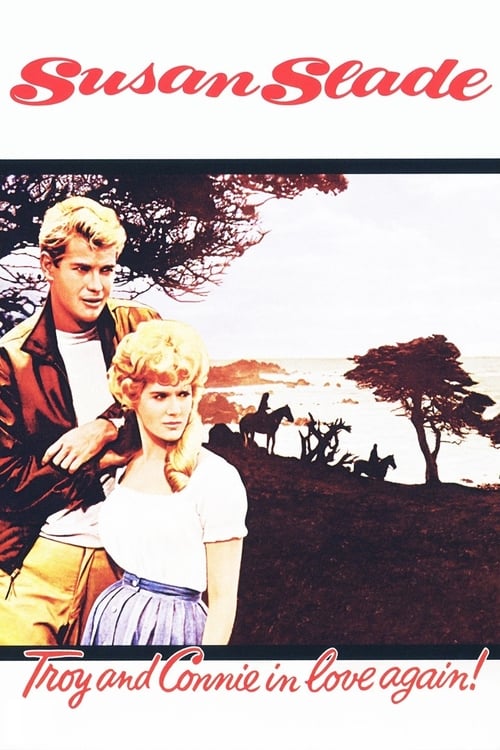
Susan Slade
1961
No user ratings available yet
Representation score: 1.6 out of 10
Representation Score
Minimal
1972
PGDirector
Joseph Anthony
Runtime
103 minutes
Average Rating
No ratings yetNew Showbiz Analysis
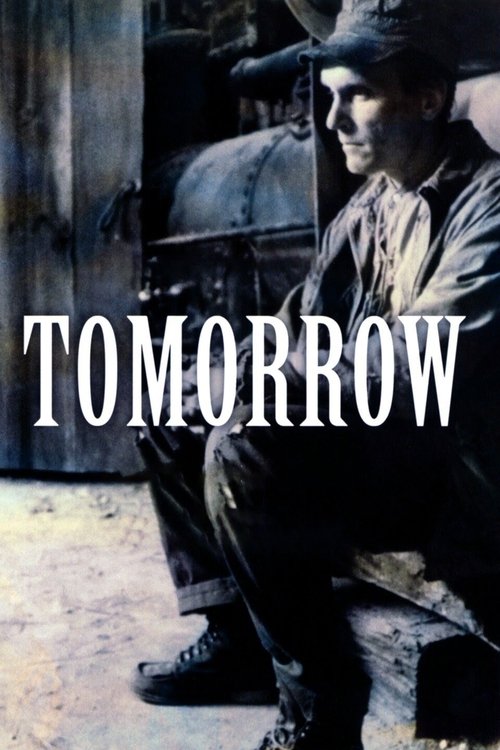
Tomorrow operates within the standard cinematic conventions of the early 1970s, emphasizing traditional character types and social structures. The film prioritizes recognizable domestic drama archetypes over progressive or storytelling that reflects multiple aspects of identity. The narrative relies on established gendered roles and lacks any representation of LGBTQ+ identities or racial diversity. It presents a conventional dramatic framework centered on individual resilience and domestic tragedy. Ultimately, the film does not challenge social hierarchies, instead adhering to the homogeneous casting and moral clichés typical of mid-century dramatic productions.
Category Breakdown
The film does not include any characters with non-traditional gender identities. The story revolves around a conventional romantic and family dynamic.
Characters follow traditional 1970s gender roles, such as the strong male protector and the vulnerable pregnant woman. The plot adheres to conventional gendered roles without challenging patriarchal structures.
The production seems to follow the homogeneous casting practices of its era. There is no indication of a racially diverse cast.
The story focuses on individual struggles and traditional morality. It uses standard dramatic clichés rather than offering secular or anti-Western critiques.
There are no characters with physical, mental health, or neurodevelopmental conditions included in the film.
Present on Screen
Limited or Absent
Official Synopsis
A lonely farmer takes in a pregnant woman and looks after her. After she gives birth, tragedy strikes.
1961

1953
1989
1966
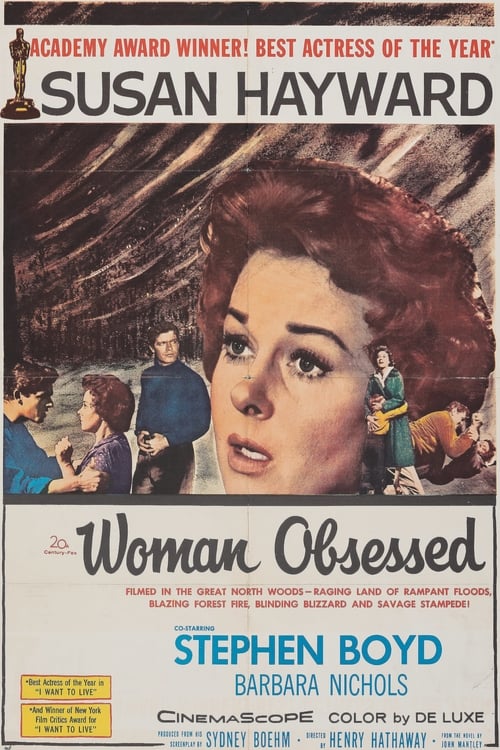
1959
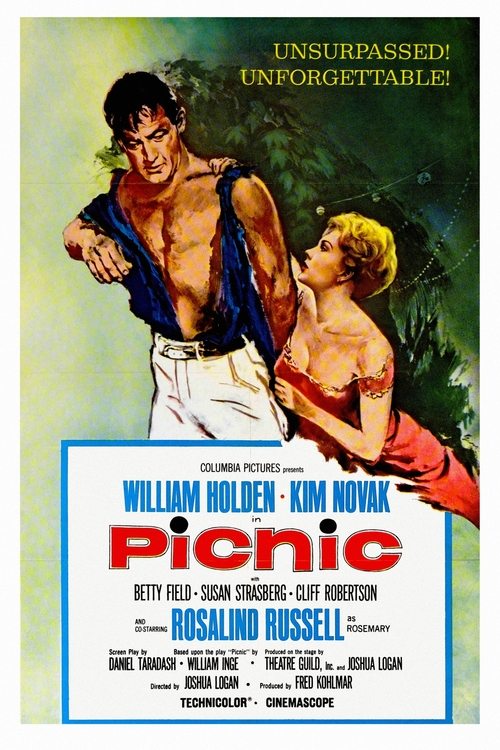
1955
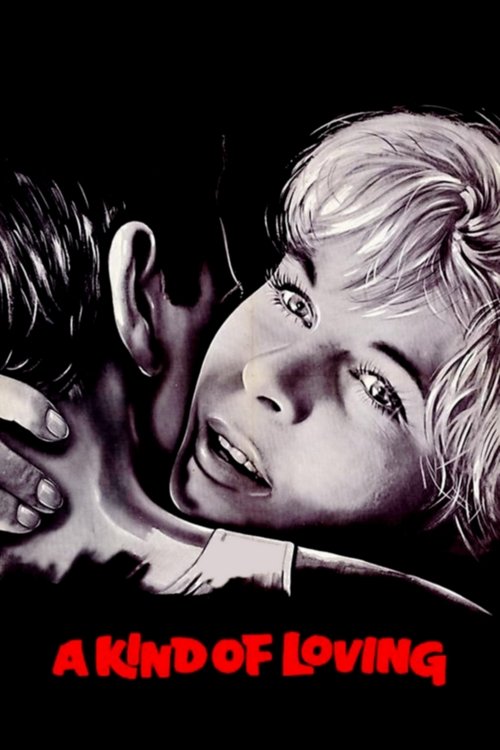
1962
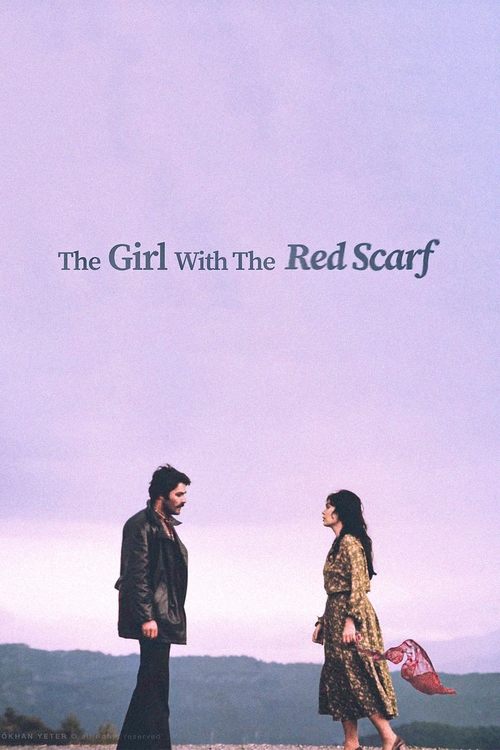
1977
No reviews yet. Be the first to share your thoughts on this movie!
Use the rating form above to leave a star rating and optional review.