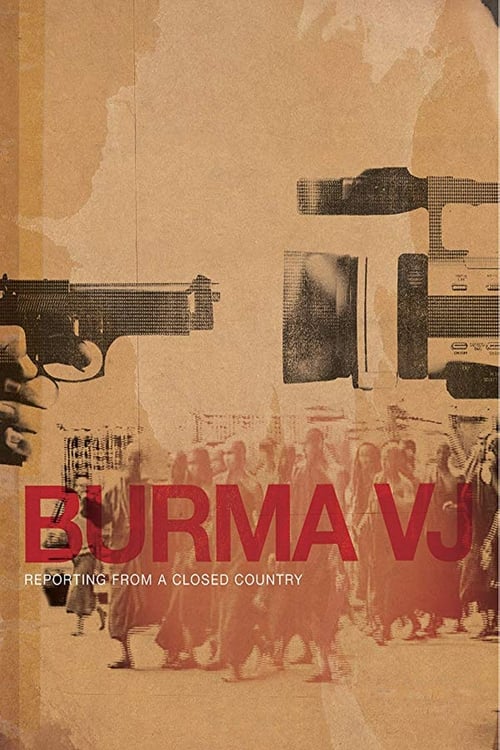
Burma VJ: Reporting from a Closed Country
2008
No user ratings available yet
Representation score: 7.1 out of 10
Representation Score
Fair
2016
Director
Christian Johnston, Darren Mann
Runtime
90 minutes
Average Rating
No ratings yetNew Showbiz Analysis
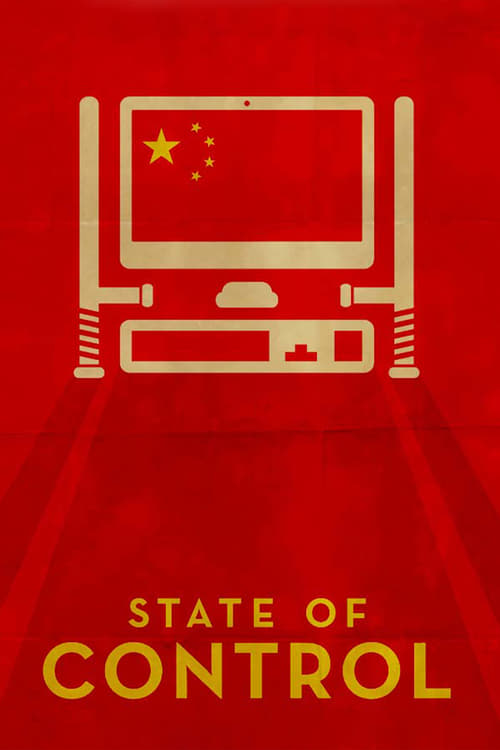
State of Control is a high-stakes investigative documentary that prioritizes ethnic and cultural identity politics. By centering the experiences of Tibetan activists, the film successfully shifts the lens away from Western hegemony to focus on those resisting systemic oppression. However, the film's narrow focus on geopolitical tension results in a lack of representation for other underrepresented groups. The narrative does not address LGBTQ+ identities or disability, leaving significant gaps in its social breadth. Ultimately, the film excels as a critique of state authority and ethnic exclusion, even if it remains limited in its broader social diversity.
Category Breakdown
The film focuses on geopolitical activism and state surveillance without featuring any LGBTQ+ characters or narratives about non-cisgender identities.
The narrative centers on two American filmmakers navigating high-risk environments. While individual roles are prominent, there is no specific evidence of gender-based role subversion or challenges to traditional gender roles.
The documentary disrupts Western-centric perspectives by highlighting the struggles of Tibetan activists against a dominant state power. It centers the experiences of a underrepresented ethnic group.
The film emphasizes the struggle for cultural and political autonomy in Tibet. It critiques centralized state power and the oppression of underrepresented cultural identities, providing a strong critique of state-driven homogeneity and systemic oppression.
There is no evidence suggesting that disability or neurodivergence are central to the narrative or character arcs.
Present on Screen
Limited or Absent
Official Synopsis
Two American filmmakers travel undercover in China and Tibet during one of the most precarious times in the country's recent history. Their journey begins in hot-bed areas of Tibetan activism in India and Nepal, before continuing into the most closed off regions of Tibet, during the full scale media blackout that began in 2008 and continues to this day. Their goal is to meet with leading Tibetan activists who are risking their lives to peacefully protest against oppression by the Chinese government's police state in a region kept "in the dark". Traveling undercover, a dangerous cat-and-mouse game unfolds as secret police maintain 24 hour surveillance of the filmmakers. Unable to document their intended subjects, they are forced to turn the cameras on themselves as they become the targets. All their moves are followed, leading to hotel break-ins, equipment theft, and cyber-hacking and spying - ultimately putting the filmmakers' very lives in danger. Forced to flee and return to the US.
2008
2020
2012
2011
2019
2015
2019
2015
No reviews yet. Be the first to share your thoughts on this movie!
Use the rating form above to leave a star rating and optional review.