Burma VJ: Reporting from a Closed Country
2008
No user ratings available yet
Representation score: 7.1 out of 10
Representation Score
Good
2012
Director
Stephen T. Maing
Runtime
87 minutes
Average Rating
No ratings yetNew Showbiz Analysis
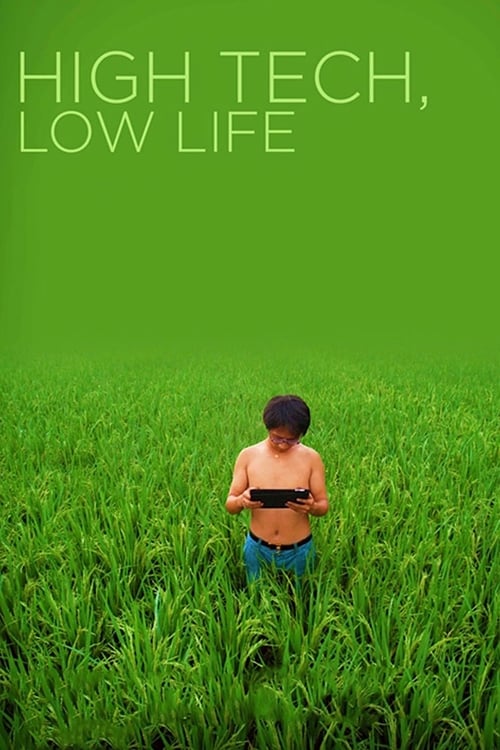
High Tech, Low Life is a compelling study of individual ability to act against systemic control. By following two citizen reporters in China, the film successfully shifts the perspective from a Western observer to the subjects themselves, granting them profound political and technological power. The documentary's strength lies in its cultural and racial depth, providing a nuanced look at life within China's complex information landscape. It effectively uses the tension between mobile technology and state surveillance to drive its narrative of resistance. However, the film lacks multi-layered breadth. The focus remains heavily on male-driven political struggle, leaving little room for exploring gendered perspectives or LGBTQ+ identities within the social landscape being documented.
Category Breakdown
The film does not include harmful stereotypes about LGBTQ+ identities, but it does not center LGBTQ+ narratives either.
The story focuses on two male protagonists, Tiger Temple and Zola, who play a significant role in driving the story. However, the focus on male-driven activism limits the exploration of diverse gendered power dynamics.
The documentary shines by highlighting Chinese citizen reporters, shifting the traditional Western-centric viewpoint. It portrays these individuals as active creators of their own information ecosystems rather than passive recipients.
The film provides a sophisticated critique of centralized power and state-controlled institutions. It emphasizes the struggle against censorship, prioritizing personal subjective truth over official state narratives.
There is no mention of characters dealing with physical, sensory, or neurodivergent disabilities.
Present on Screen
Limited or Absent
Official Synopsis
HIGH TECH, LOW LIFE follows the journey of two of China’s first citizen reporters as they travel the country – chronicling underreported news and social issues stories. Armed with laptops, cell phones, and digital cameras they develop skills as independent one-man news stations while learning to navigate China’s evolving censorship regulations and avoiding the risk of political persecution. The film follows 57-year-old “Tiger Temple,” who earns the title of China’s first citizen reporter after he impulsively documents an unfolding murder and 27-year-old “Zola” who recognizes the opportunity to increase his fame and future prospects by reporting on sensitive news throughout China.
2008
2011
2016
2020
2016
2013
2021

2015
No reviews yet. Be the first to share your thoughts on this movie!
Use the rating form above to leave a star rating and optional review.