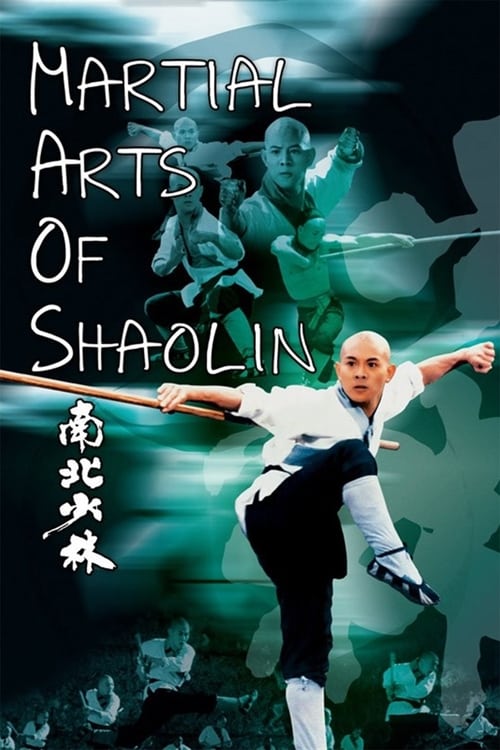
Martial Arts of Shaolin
1986
No user ratings available yet
Representation score: 2.1 out of 10
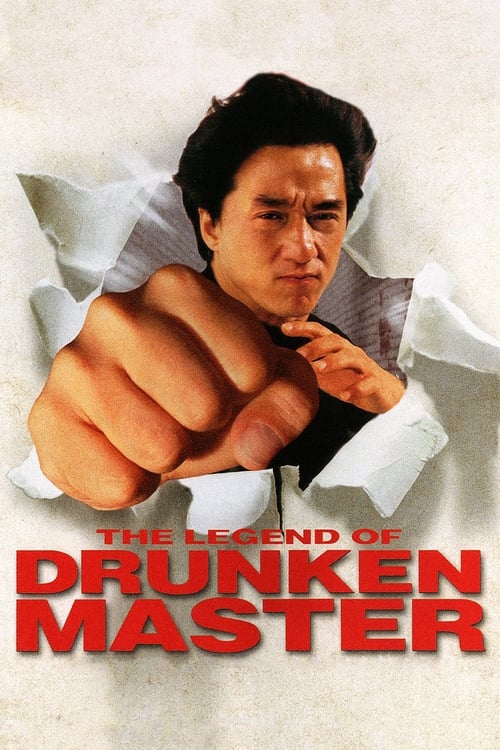
Representation Score
Fair
1994
RDirector
Lau Kar-leung
Runtime
102 minutes
Average Rating
No ratings yetNew Showbiz Analysis
The film stands out as a powerful cultural reclamation, using a post-colonial lens to defend indigenous heritage against foreign intrusion. By focusing on Chinese sovereignty, it empowers non-Western subjects significantly. However, the film adheres closely to traditional social hierarchies. Gender dynamics remain patriarchal, with female characters sidelined in the action-driven storyline. Overall, while the film asserts nationalistic integrity, it falls short in terms of gender and LGBTQ+ representation.
Category Breakdown
The film focuses solely on traditional martial arts and family hierarchies without addressing non-straight or non-cisgender identities. There is no critique of the assumption that everyone is straight or cisgender.
The story is dominated by male characters who excel in combat. Female characters play minor roles and do not challenge patriarchal structures or show much control over their own lives.
The narrative centers on protecting Chinese artifacts, offering a strong exploration of ethnic identity. It counters Western hero clichés by emphasizing cultural pride against imperialist influences.
The film uses a post-colonial perspective to highlight foreign influence as predatory. It emphasizes traditional Chinese values and employs Drunken Boxing as a symbol for resisting external power.
The Drunken fighting style mimics physical instability but is a specialized martial arts technique, not a portrayal of disability. The film does not feature neurodivergent or physical disabilities as central themes.
Present on Screen
Limited or Absent
Official Synopsis
Returning home with his father after a shopping expedition, Wong Fei-Hong is unwittingly caught up in the battle between foreigners who wish to export ancient Chinese artifacts and loyalists who don't want the pieces to leave the country. Fei-Hong must fight against the foreigners using his Drunken Boxing style, and overcome his father's antagonism as well.
1986
1982
1996
1992

1994
2020

1983
1979
No reviews yet. Be the first to share your thoughts on this movie!
Use the rating form above to leave a star rating and optional review.