Humpty Sharma Ki Dulhania
2014
No user ratings available yet
Representation score: 2.2 out of 10
Representation Score
Fair
2012
Not RatedDirector
Shakun Batra
Runtime
110 minutes
Average Rating
No ratings yetNew Showbiz Analysis
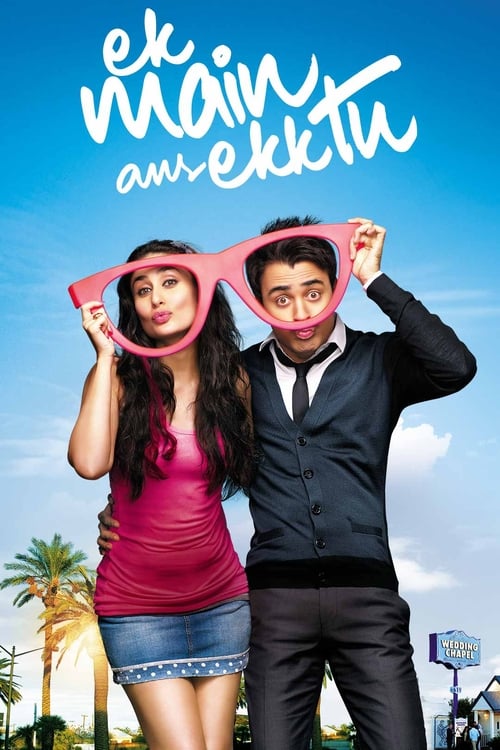
Ek Main Aur Ekk Tu stands out as a modern departure from conventional romantic cinema. It earns recognition for challenging traditional social structures and promoting fluid, individualistic human connections over domesticity. While the film successfully subverts conventional romantic clichés and gender archetypes, it remains confined to a specific social stratum, limiting its overall inclusivity. The absence of LGBTQ+ characters, ethnic diversity, and disability representation prevents a higher score.
Category Breakdown
The film focuses solely on a heterosexual couple and does not include any LGBTQ+ characters or explore non-cisgender identities.
The narrative challenges traditional gender roles by focusing on a relationship characterized by mutual respect and equality. The female lead plays a significant role in driving the story and does not conform to submissive stereotypes.
The film depicts a relatively homogeneous, upper-middle-class urban population in Mumbai. It lacks a blend of diverse ethnic backgrounds and multi-layered casting.
The story offers a nuanced critique of traditional social institutions such as marriage, prioritizing secular, individualistic urban values over religious or traditional expectations.
There are no prominent depictions of physical or neurodivergent disabilities within the narrative.
Present on Screen
Limited or Absent
Official Synopsis
Rahul and Riana meet each other for the first time, get drunk, and awake the next morning to find that they have gotten legally married to each other.
2014

2008

2011
2011
2005
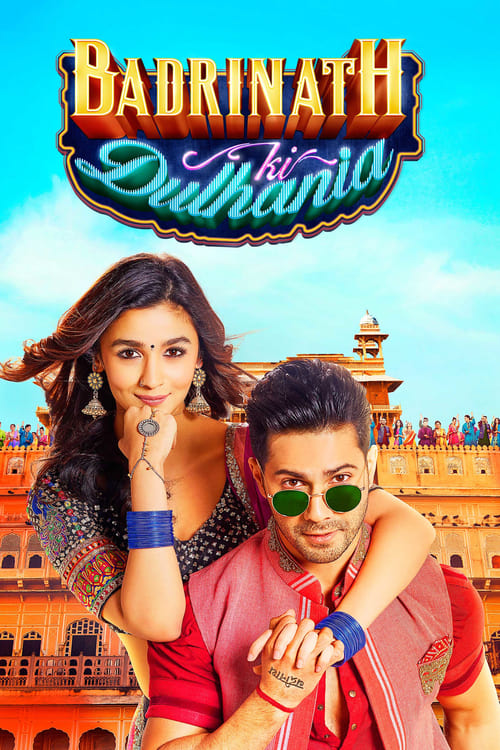
2017
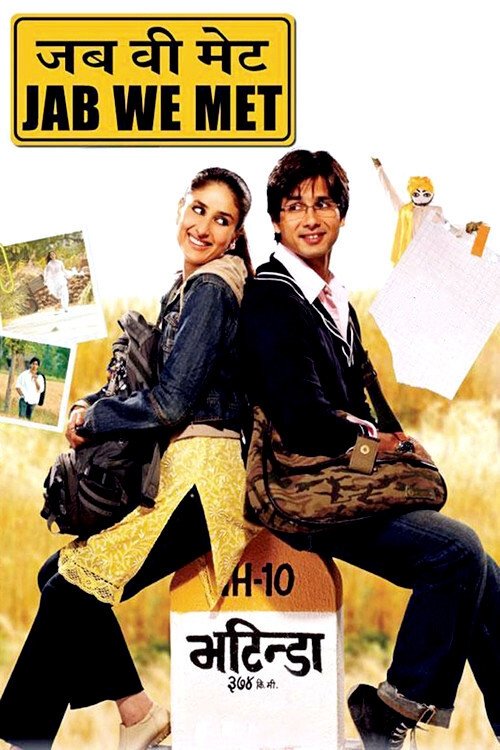
2007
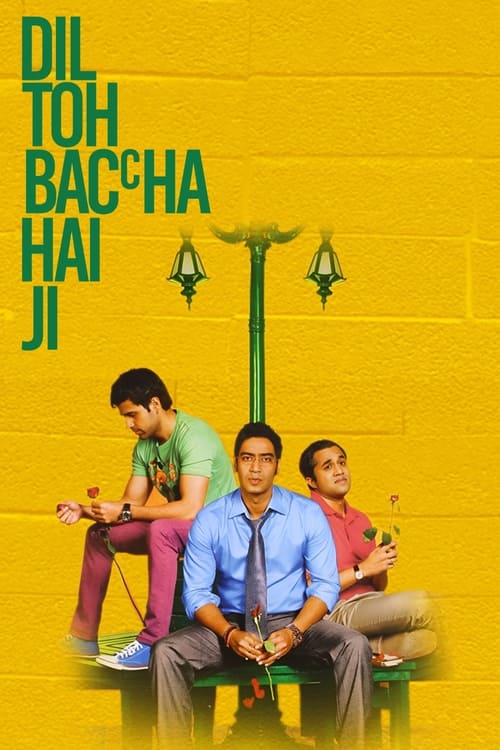
2011
No reviews yet. Be the first to share your thoughts on this movie!
Use the rating form above to leave a star rating and optional review.