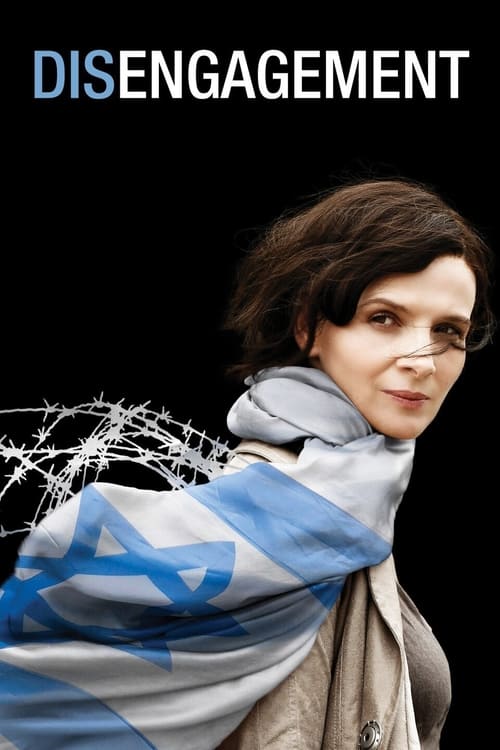
Disengagement
2007
No user ratings available yet
Representation score: 7.8 out of 10
Representation Score
Good
2005
Not RatedDirector
Amos Gitai
Runtime
90 minutes
Average Rating
No ratings yetNew Showbiz Analysis
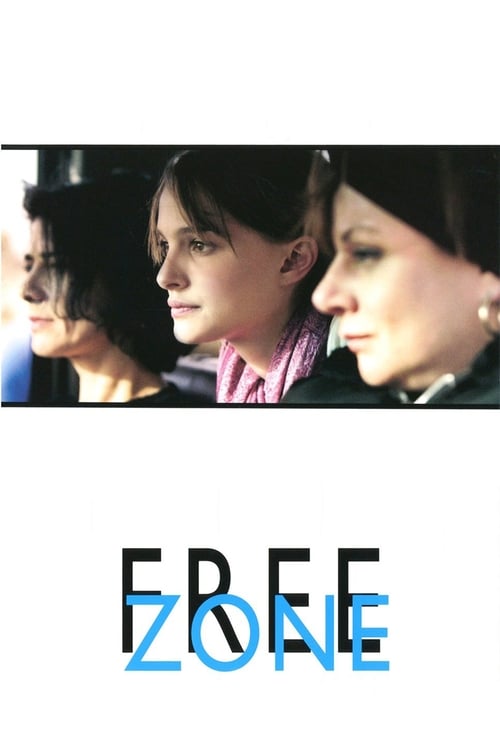
Amos Gitai’s *Free Zone* is a fragmented, postmodern exploration of confinement and geopolitical boundaries. Its strength lies in its multi-layered approach to critiquing the systemic nature of conflict and the artificiality of borders. However, the film’s focus is narrow in other areas, lacking specific representation for LGBTQ+ identities and neurodivergence or physical disabilities. It focuses instead on the psychological impact of the environment. Ultimately, the film offers a sophisticated engagement with post-colonial themes, despite its gaps in specific identity-based narratives.
Category Breakdown
The film doesn't focus specifically on LGBTQ+ identities or same-sex relationships. While there are fluid human connections, there are no defined LGBTQ+ character arcs or critiques of the assumption that everyone is straight or cisgender.
Female characters such as Rebecca and Hanna play crucial roles in driving the plot. They have significant influence to navigate and disrupt masculine-dominated environments, while male characters dominate the restrictive settings.
The cast features both Israeli and Palestinian characters, avoiding a one-dimensional portrayal of the Middle East. This approach highlights shared humanity and questions the artificiality of geopolitical divisions.
The narrative steers clear of a single religious perspective, favoring moral relativism. It critiques state-imposed structures and traditional Western-style borders through its depiction of the Free Zone.
The film does not significantly feature neurodivergence or physical disabilities. Character struggles are framed through psychological trauma and environmental constraints rather than specific disability narratives.
Present on Screen
Limited or Absent
Official Synopsis
Rebecca, an American who has been living in Jerusalem (Occupied Palestinian Territory ) for a few months now, has just broken off her engagement. She gets into a cab driven by Hanna, an Israeli. But Hanna is on her way to Jordan, to the Free Zone, to pick up a large sum of money.
2007
2016
2018

2008
1995

2010
2020
2008
No reviews yet. Be the first to share your thoughts on this movie!
Use the rating form above to leave a star rating and optional review.