Universal Horror
1998
No user ratings available yet
Diversity score: 3.6 out of 10
2007
TV-PGDirector
Kent Jones
Runtime
77 minutes
Average Rating
No ratings yetSynopsis
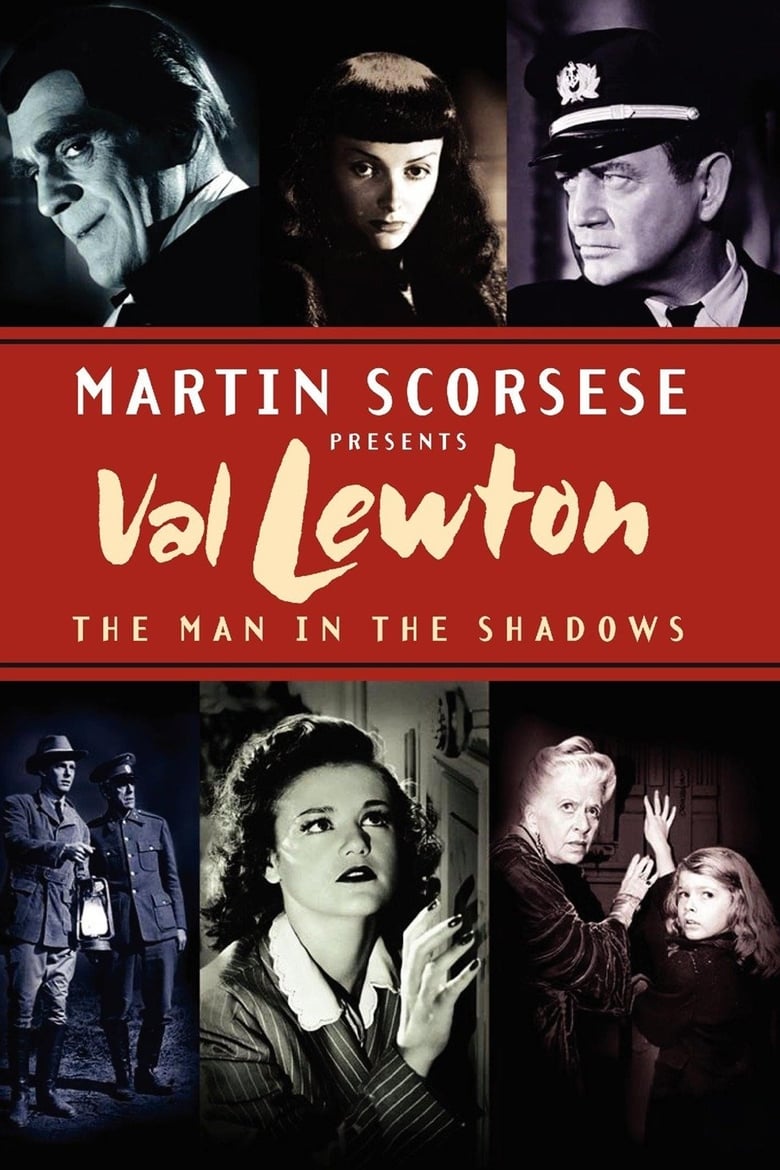
Martin Scorsese narrates this tribute to Val Lewton, the producer of a series of memorable low-budget horror films for RKO Studios. Raised by his mother and his aunt, his films often included strong female characters who find themselves in difficult situations and who have to grow up quickly. He is best remembered for the horror films he made at RKO starting in 1940. Starting with only a title - his first was The Cat People - he would meticulously oversee every aspect of the film's completion. Although categorized as horror films, his films never showed a monster, leaving it all to the viewers imagination, assisted by music, mood and lighting.
Overall Score
Fair
Category Breakdown
LGBTQ+ Representation
The documentary focuses on the historical production techniques of the 1940s studio era. It does not provide explicit evidence regarding the depiction of queer narratives or LGBTQ+ identities.
Gender Representation
The film highlights Lewton's use of strong female characters who navigate high-stakes environments. These women demonstrate significant agency and psychological complexity, subverting traditional 1940s genre tropes.
Racial & Ethnic Diversity
The narrative centers on the creative output of Val Lewton at RKO Studios. There is no specific evidence of diverse casting or non-white protagonists within the described archival footage.
Religious & Cultural Diversity
The film celebrates subjective storytelling by deconstructing the literal monster trope. It emphasizes psychological terror and the viewer's imagination over rigid, traditional moral structures.
Disability Representation
The documentary explores themes of paranoia and fear. However, it does not confirm specific depictions of disability or characters with disabilities as central narrative drivers.
Strengths
Areas for Improvement
AI Analysis
This documentary serves as a scholarly tribute to Val Lewton's unique approach to horror. Its primary strength lies in its recognition of how Lewton disrupted gender hierarchies through resilient, complex female protagonists. By prioritizing atmosphere and psychological tension over literal monsters, the film highlights a sophisticated form of storytelling that challenged the era's standard tropes. However, the film's capacity for intersectional representation is constrained by its historical subject matter. The focus remains strictly on production history and the 1940s studio system, which limits the presence of diverse identities. Consequently, while the film offers a progressive look at gender and psychological depth, it lacks explicit engagement with LGBTQ+, racial, or disability-focused narratives.
1998
1996
1998
2017
2011
2012
2000
2020
No reviews yet. Be the first to share your thoughts on this movie!
Use the rating form above to leave a star rating and optional review.