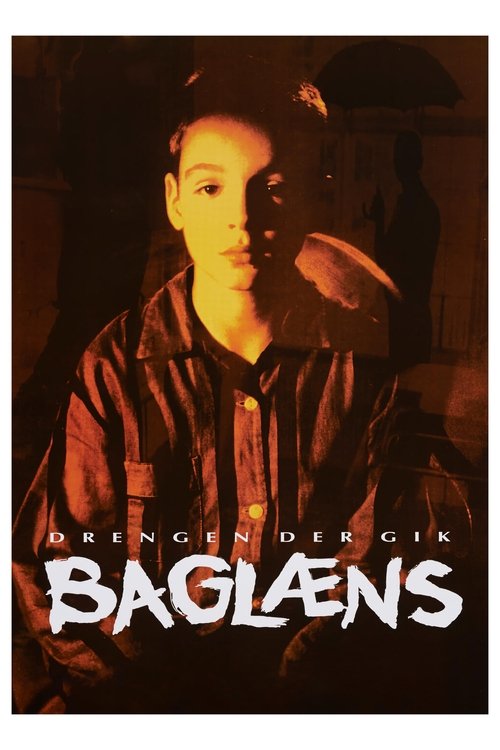
The Boy Who Walked Backwards
1995
No user ratings available yet
Representation score: 4.3 out of 10

Representation Score
Good
2007
RDirector
Bruce McDonald
Runtime
77 minutes
Average Rating
No ratings yetNew Showbiz Analysis
The film stands out as a sophisticated exploration of narrative deconstruction. It provides a progressive view of mental health and gender by centering a female perspective that rejects traditional patriarchal norms. However, the film lacks diversity in other areas. The social environment feels homogeneous, and there is limited representation for LGBTQ+ or diverse racial identities. Ultimately, the film's strength lies in its rejection of conventional social structures, favoring a deeply subjective, fragmented reality.
Category Breakdown
The film touches on unconventional relationships through Tracey's interest in Billy Zero. However, it doesn't primarily focus on LGBTQ+ or non-cisgender identities.
The story challenges traditional gender roles by focusing on a female protagonist's chaotic inner life. It avoids typical feminine stereotypes, emphasizing Tracey's active role despite her psychological struggles.
The setting seems to revolve around a predominantly white, Anglo-Saxon community in Toronto. There isn't much evidence of a diverse cast.
The film questions Western institutions by showing the family unit as unstable rather than idealized. It prioritizes personal truth over a unified, moral social order.
The film's non-linear structure mirrors the protagonist's neurodivergence and mental health issues. It avoids inspirational stories by focusing on her cognitive experiences.
Present on Screen
Limited or Absent
Official Synopsis
Tracey Berkowitz, 15, a self-described normal girl, loses her 9-year old brother, Sonny. In flashbacks and fragments, we meet her overbearing parents and the sweet, clueless Sonny. We watch Tracey navigate high school, friendless, picked on and teased. She develops a thing for Billy Zero, a new student, imagining he's her boyfriend. We see the day she loses Sonny and we watch her try to find him.
1995

2003

1998

2017

2007

2017
1976

2004
No reviews yet. Be the first to share your thoughts on this movie!
Use the rating form above to leave a star rating and optional review.