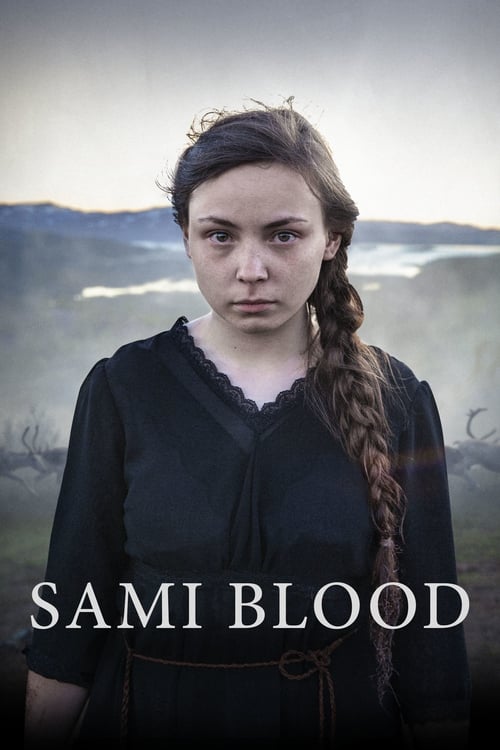
Sami Blood
2017
No user ratings available yet
Representation score: 9.3 out of 10
Representation Score
Fair
2010
Director
Markku Lehmuskallio, Anastasia Lapsui
Runtime
84 minutes
Average Rating
No ratings yetNew Showbiz Analysis
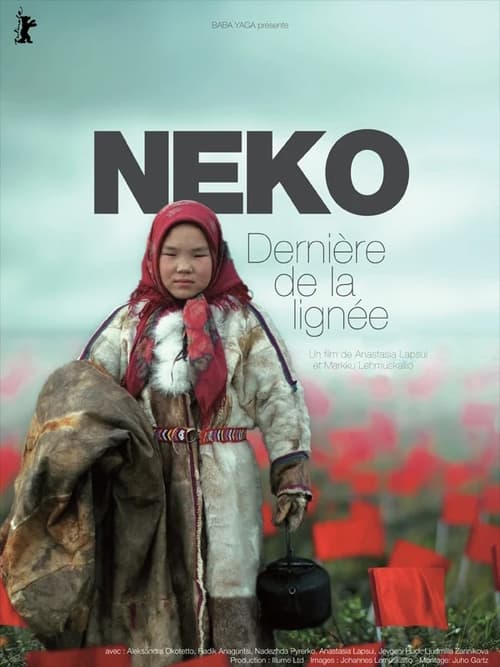
Pudana: Last of the Line is a powerful ethnographic film that examines the tension between indigenous autonomy and state-imposed institutions. It centers on the Nenets people, providing a rare and important perspective on their culture. The film’s strength lies in its portrayal of the boarding school as a tool of cultural suppression, highlighting the protagonist’s rebellion as a means of preserving tradition. While the film excels in representing the Nenets people and critiquing the imposition of foreign cultures, it does not address LGBTQ+ identities or disability issues.
Category Breakdown
There are no LGBTQ+ characters or narratives addressing non-straight relationships in the film.
The young female protagonist, Neko, plays a significant role in driving the story. Her decision to flee challenges the cliché of the helpless child.
The film highlights the Nenets people, offering a unique perspective on their culture and traditions. It challenges Eurocentric narratives by focusing on an indigenous viewpoint.
The story critiques the impact of state structures on traditional ways of life. It emphasizes the importance of indigenous customs over modern influences like boarding schools.
No specific information regarding characters with visible or invisible disabilities is available.
Present on Screen
Limited or Absent
Official Synopsis
A little Nenets girl Neko is taken against her will from her home to a boarding school in a remote Russian village. Forced to adapt to a foreign culture and new customs, Neko rebels and decides to flee, hoping to get back to her family and old habits.
2017

2017
2005

1998

2015
2023
1990

2014
No reviews yet. Be the first to share your thoughts on this movie!
Use the rating form above to leave a star rating and optional review.