César
1936
No user ratings available yet
Representation score: 1.3 out of 10
Representation Score
Minimal
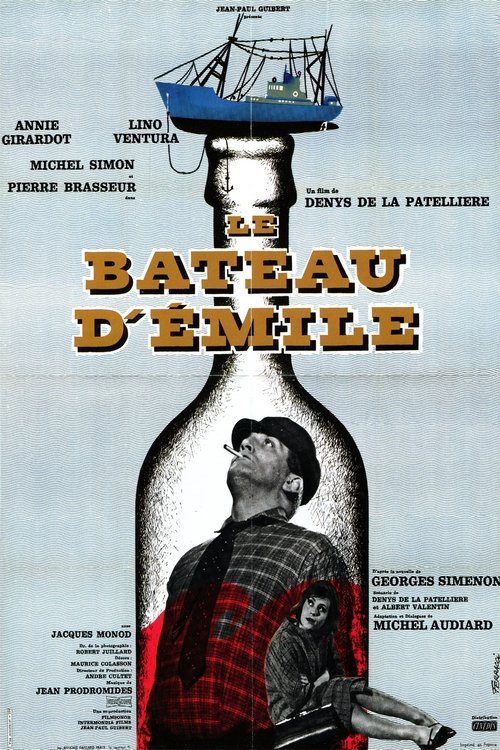
1962
Director
Denys de La Patellière
Runtime
98 minutes
Average Rating
No ratings yetNew Showbiz Analysis
Le Bateau d'Émile is a typical mid-century drama centered on inheritance, class conflict, and family legacy. The story highlights the clash between established wealth and a working-class heir within a maritime setting. The film upholds traditional social hierarchies without challenging them. While it touches on class dynamics between the Larmentiel brothers and the fisherman Émile, it lacks the complexity of multi-layered themes. Ultimately, the narrative structure emphasizes lineage and property, offering limited progressive identity representation or disruption of established social norms.
Category Breakdown
The film does not include any characters with non-straight sexual orientations or same-sex relationships. The romantic conflicts are presented through traditional structures, such as Émile's arguments with Fernande.
The story emphasizes men's control over the story, focusing on the Larmentiel brothers and their father's decisions about the family business. Female characters like Fernande play supporting roles in the male-dominated plot.
The film centers on a specific French family and does not show any racial blending or ethnic diversity. The story focuses on a single family lineage without introducing characters from different racial backgrounds.
The plot examines the tension between capitalist fishing trusts and working-class individuals but does not provide a systemic critique of cultural or religious differences. It remains a traditional drama focused on wealth transfer.
The film does not feature any characters with visible or invisible disabilities. There is no representation of neurodivergent conditions in the narrative.
Present on Screen
Limited or Absent
Official Synopsis
Charles-Edmond, the eldest of the Larmentiel brothers, decides to return to La Rochelle, his hometown to die there. Forty years earlier he had been driven out by his father. Before passing away, the old eccentric announces that he has a hidden son, Émile, a fisherman to whom he wishes to bequeath his property. François, the younger brother, whom Charles-Edmond hates, is eyeing the inheritance to bail out the powerful family business, a veritable fishing trust, and will try to appropriate the affection and property of this inopportune heir. Émile, meanwhile, is too busy arguing with Fernande, a beugland singer, to suspect what awaits him...
1936
1963
1976
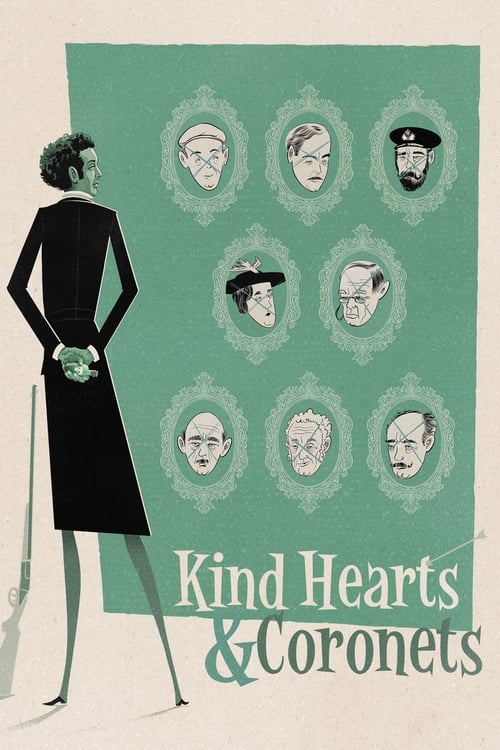
1949
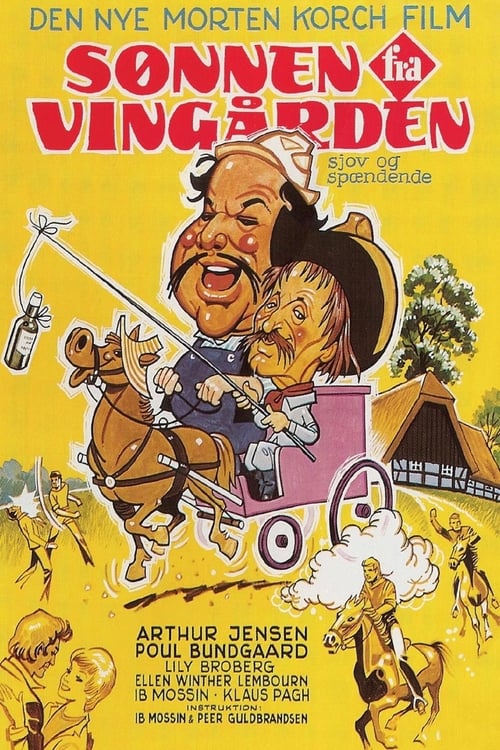
1975

1976
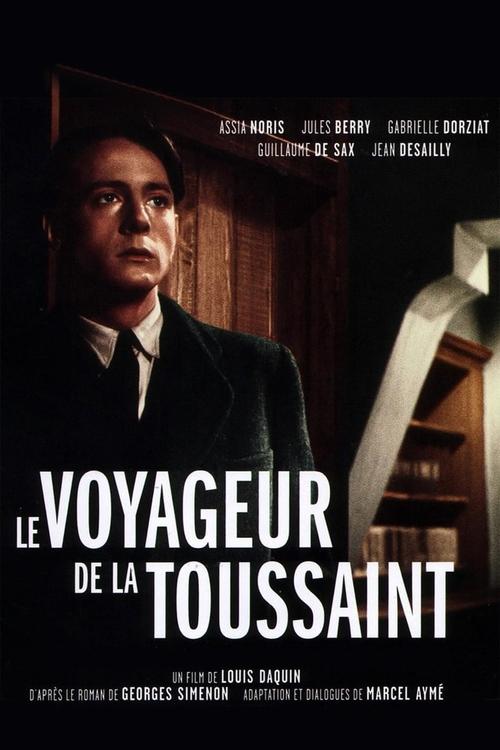
1943
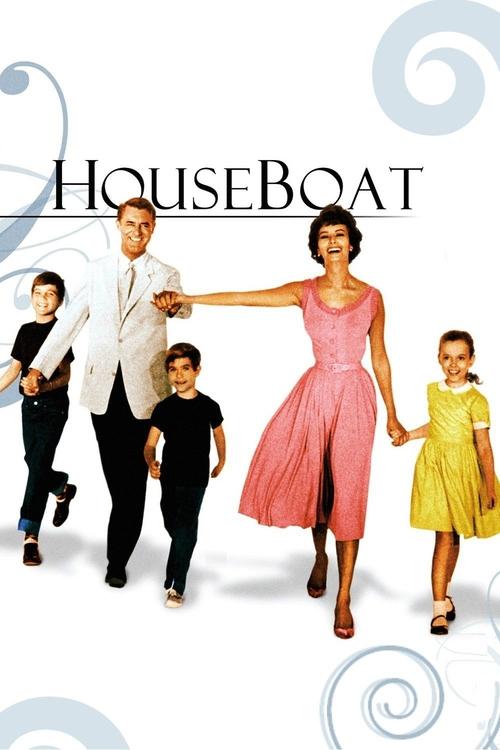
1958
No reviews yet. Be the first to share your thoughts on this movie!
Use the rating form above to leave a star rating and optional review.