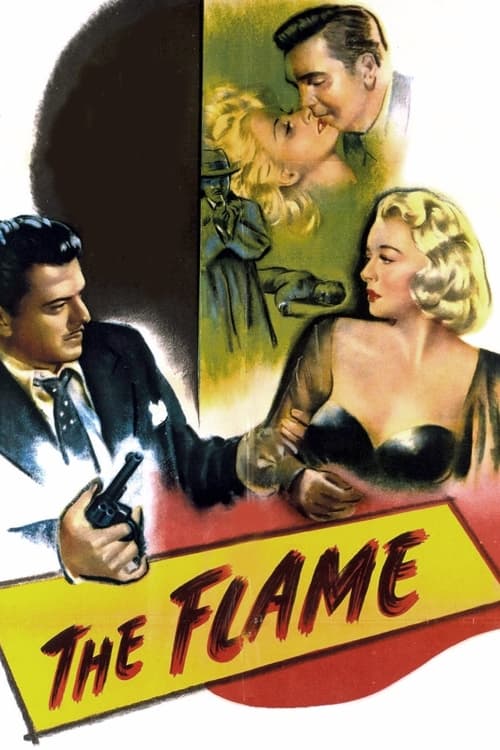
The Flame
1947
No user ratings available yet
Representation score: 0.4 out of 10
Representation Score
Limited
1943
Director
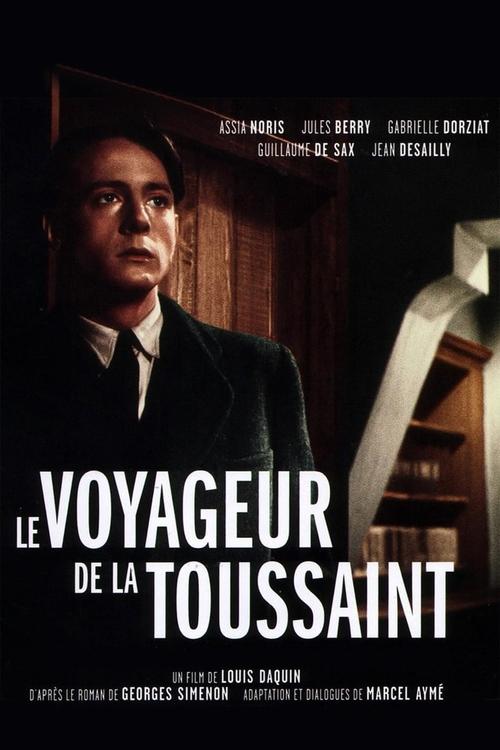
Louis Daquin
Runtime
102 minutes
Average Rating
No ratings yetNew Showbiz Analysis
Louis Daquin’s direction provides a framework for critiquing social structures and class dynamics. The film primarily serves as a social critique of class stratification rather than a work focused on diverse identities. While the film lacks modern markers of LGBTQ+ or racial representation, its narrative structure is progressive in its deconstruction of bourgeois values. It emphasizes the dignity of the working-class outsider against established institutional norms. Ultimately, the film remains tied to the social constraints of its 1943 production context, focusing on the transactional nature of familial bonds and capitalist social structures.
Category Breakdown
The film does not include any characters with non-traditional gender identities or sexual orientations. It focuses on social conflicts related to class.
The story centers around a conflict with a wealthy family, which may challenge traditional gender roles. However, it does not specifically address gendered strengths or intellect.
Set in a 1940s rural French village, the film depicts a homogeneous community with no visible racial diversity among the cast.
The narrative challenges social hierarchies by having an entertainer's descendant confront a wealthy, judgmental family. It highlights the hypocrisy of wealth and class-based morality.
There is no indication that disability or neurodivergence plays a role in the character arcs. The plot does not center on these themes.
Present on Screen
Limited or Absent
Official Synopsis
A young man comes back to his hometown to be confronted with a bourgeois obnoxious family who has always despised his - now dead - parents because they were music hall artists, "entertainers". But because he's the sole legatee of an uncle's fortune, his relatives become friendly with him... at least for a while.
1947
1949
1936

1931
1930
1944
1937
1950
No reviews yet. Be the first to share your thoughts on this movie!
Use the rating form above to leave a star rating and optional review.