The Talisman
1907
No user ratings available yet
Representation score: 1.8 out of 10
Representation Score
Minimal
1908
Director
Albert Capellani
Runtime
14 minutes
Average Rating
No ratings yetNew Showbiz Analysis
This 1908 adaptation of Perrault's classic tale functions as a preservation of historical folklore rather than a modern subversion of social norms. It relies heavily on established archetypes that prioritize traditional European aristocratic structures. The film lacks complexity in representing multiple aspects of identity. It presents a world where ability to act is almost exclusively male-driven. The narrative reinforces the 'damsel in distress' cliché, leaving the female lead in a state of prolonged passivity. Ultimately, the work reflects the cinematic constraints of the early 20th century. It offers a singular, classical perspective that maintains existing social, gender, and racial hierarchies without critique.
Category Breakdown
The film follows a traditional fairy tale structure and focuses solely on the romantic relationship between the Princess and Prince Charming, with no representation of LGBTQ+ identities.
The narrative emphasizes traditional gender roles. The female protagonist remains passive, while the male protagonist actively drives the plot.
The production features a homogeneous cast typical of early French silent cinema, depicting European aristocracy as the default social norm without any indication of diverse ethnic identities.
The film preserves Western folklore and celebrates monarchical stability. It reinforces classical morality and the restoration of social order through royal marriage and lineage.
There are no characters with visible or invisible disabilities. The cast is composed of idealized fairy tale archetypes focusing on physical perfection and magical intervention.
Present on Screen
Limited or Absent
Official Synopsis
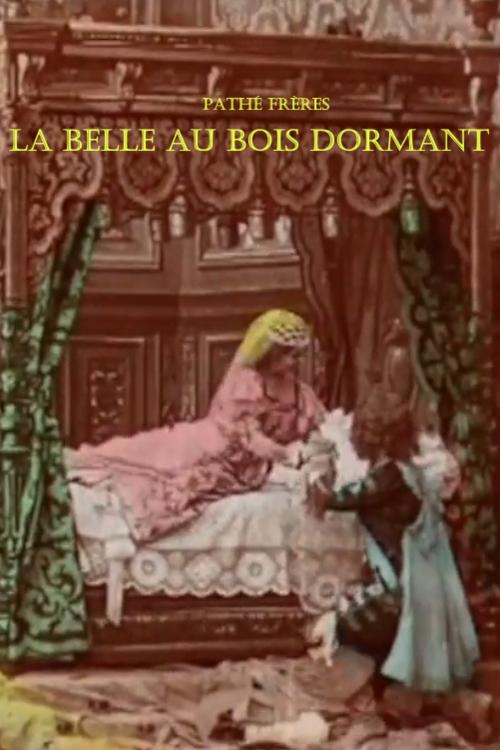
Based on the story of "Sleeping Beauty" by Charles Perrault. Titles read: The Christening of the Princess; The Good Fairies Fatal Prediction; The Royal Edict; The Princess is Sixteen Years Old; Searching for the Princess; The Prediction Comes True; Thou Shalt Sleep for a Hundred Years; A Hundred Years later the Prince Charming Goes Hunting; Prince Charming Dismisses His Escort; The Castle of Sleep; The Guard's Hall; You Have Been a Long Time Coming, prince; The Wedding of the Sleeping Beauty to Prince Charming.
1907

1973
1907
1926
1900
1950
1903
1959
No reviews yet. Be the first to share your thoughts on this movie!
Use the rating form above to leave a star rating and optional review.