
Locked In
2010
No user ratings available yet
Diversity score: 3.6 out of 10
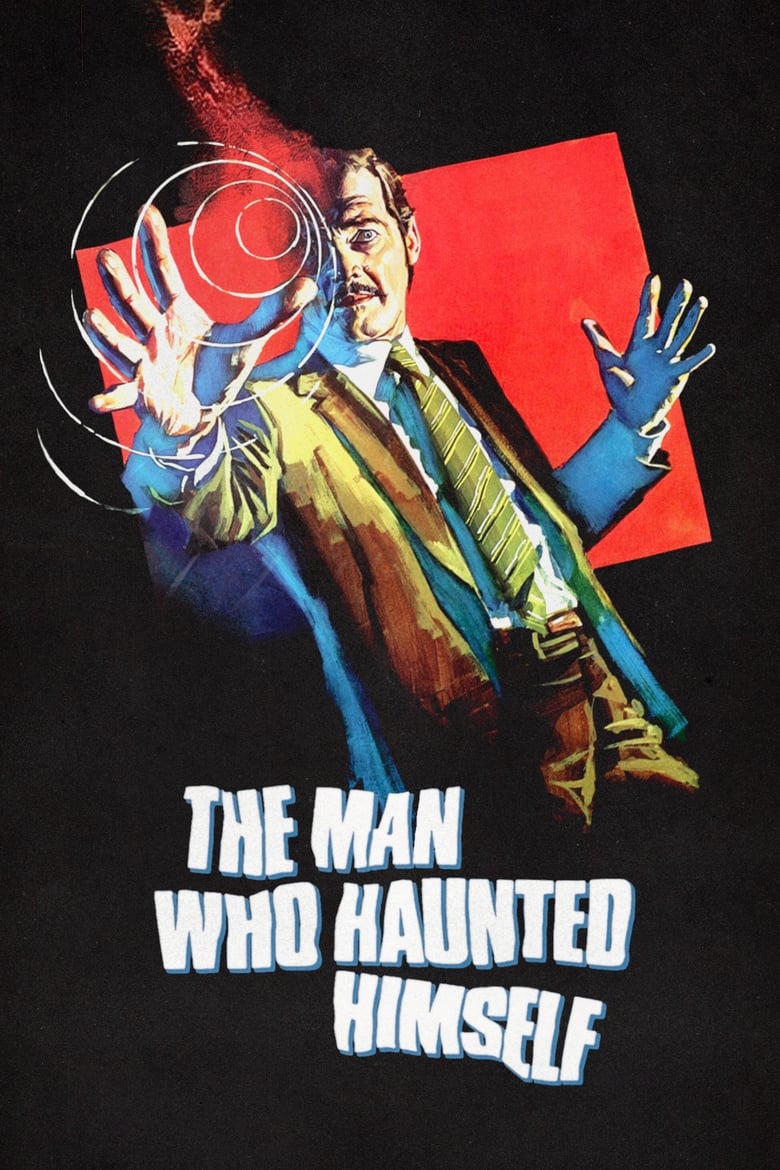
1970
PGDirector
Basil Dearden
Runtime
88 minutes
Average Rating
No ratings yetSynopsis
Executive Harold Pelham suffers a serious accident after which he faces the shadow of death. When, against all odds, he miraculously recovers, he discovers that his life does not belong to him anymore.
Overall Score
Limited
Category Breakdown
LGBTQ+ Representation
The film lacks any discernible presence of LGBTQ+ characters or narratives. The focus remains strictly on the protagonist's internal psychological duality within a traditional social framework.
Gender Representation
The narrative is heavily centered on the male experience and the crisis of masculine identity. While the protagonist’s wife is a central figure, her role is largely defined by her relationship to his stability.
Racial & Ethnic Diversity
The film presents a largely homogeneous cast reflective of the upper-class London setting. There is no evidence of significant non-white representation, adhering to the period's standard cinematic norms.
Religious & Cultural Diversity
The story explores the decay of a civilized existence through the lens of a professional life breaking down. However, it frames these disruptions as symptoms of psychological dissociation rather than systemic critique.
Disability Representation
The film provides a nuanced depiction of mental health through the lens of dissociative identity. The protagonist’s struggle is central to the plot, though it functions primarily as a psychological thriller device.
Strengths
Areas for Improvement
AI Analysis
The film functions primarily as a sophisticated psychological character study rather than a systemic critique of social hierarchies. It prioritizes the postmodern exploration of a fractured self over identity-based representation. The narrative architecture remains centered on a traditional, high-status white male protagonist. While the film effectively disrupts the concept of a unified identity, it does so through an individualistic lens rather than a collective or intersectional one. Ultimately, the disruption of social norms is presented as a personal psychological crisis. The film maintains a focus on individual dysfunction rather than challenging established systemic structures.
2010
1979
1946

2014

2017
1951

1980

1990

2008
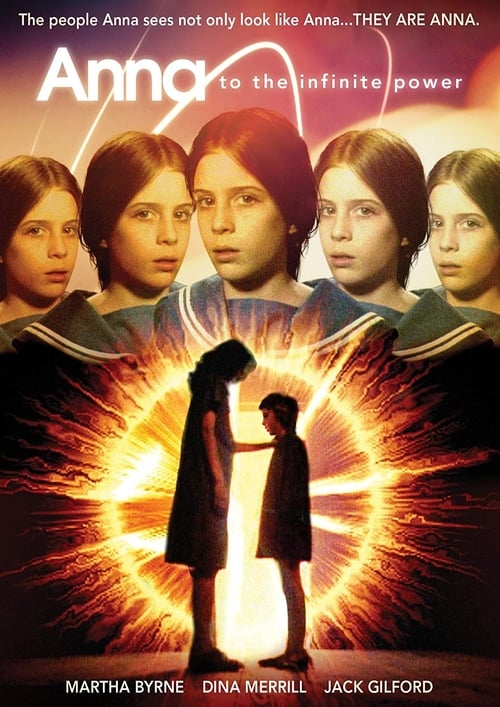
1983

1962
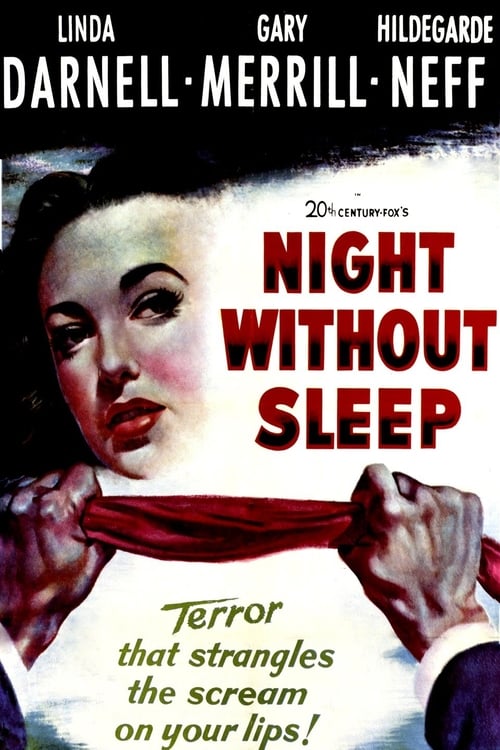
1952
No reviews yet. Be the first to share your thoughts on this movie!
Use the rating form above to leave a star rating and optional review.