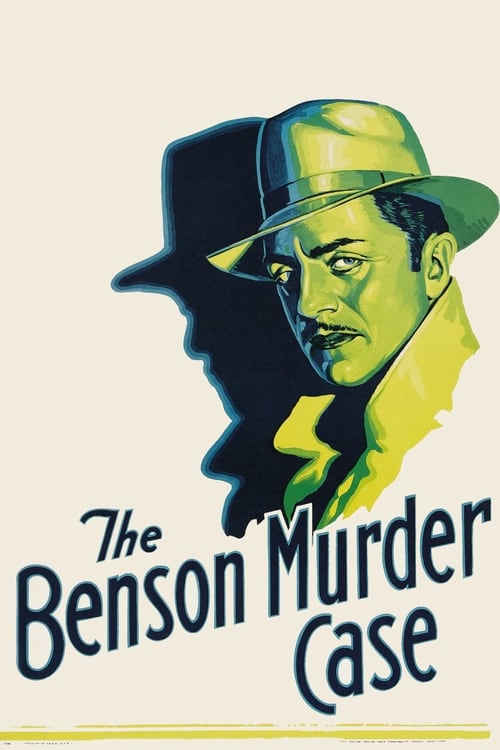
The Benson Murder Case
1930
No user ratings available yet
Representation score: 0.6 out of 10
Representation Score
Minimal
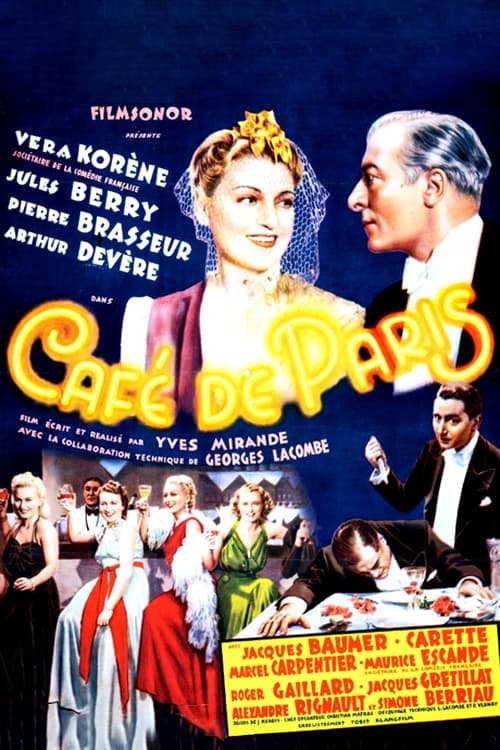
1938
Director
Yves Mirande, Georges Lacombe
Runtime
91 minutes
Average Rating
No ratings yetNew Showbiz Analysis
Café de Paris is a period-specific crime mystery that adheres strictly to the genre conventions of 1930s French commercial cinema. The plot centers on a web of suspects, including a wife, a lover, and a gun-runner, driving a traditional whodunit narrative. The film lacks intentionality regarding social disruption or characters who reflect more than one aspect of diversity. It relies on established archetypes and socioeconomic tensions common to the era, such as adultery and individual criminality, rather than exploring diverse identities or systemic critiques. Ultimately, the work functions as a standard genre piece of its time, reflecting the demographic and social norms of late 1930s Europe.
Category Breakdown
The film focuses on traditional romantic relationships, particularly infidelity involving a wife and her lover. There is no representation of non-straight or non-cisgender identities, nor does it challenge the assumption that everyone is straight or cisgender.
Female characters play central roles, such as the wife, providing a baseline for gender inclusion. However, these roles adhere to the gendered archetypes typical of 1930s French cinema without challenging traditional hierarchies.
The film reflects the demographic homogeneity of mainstream 1930s French cinema. The setting and cast default to Western-centric casting typical of the era, lacking diversity.
The story prioritizes individual moral resolution within a classic whodunit framework. It focuses on socioeconomic tensions like debt and crime, rather than systemic critiques.
There is no mention of characters with visible or invisible disabilities. No assessment can be made regarding representation or the use of clichés in this category.
Present on Screen
Limited or Absent
Official Synopsis
This murder mystery is set in a Parisian cafe and examines the mysterious murder of a famed journalist and extortionist who is killed at his table in the cafe. Though the prime suspects are gathered together( including his wife and her lover, the gun-runner, the creditor, and a playboy) and all of them have motives, none of them did it. So whodunit?
1930
1944
1933
1947
1935

1930
1936
1947
No reviews yet. Be the first to share your thoughts on this movie!
Use the rating form above to leave a star rating and optional review.