
Cottage to Let
1941
No user ratings available yet
Representation score: 2.9 out of 10
Representation Score
Minimal
1943
Director
Lawrence Huntington
Runtime
82 minutes
Average Rating
No ratings yetNew Showbiz Analysis
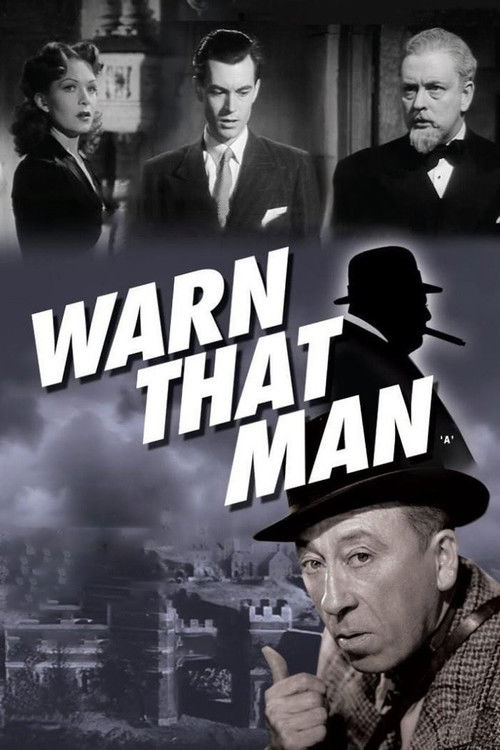
Warn That Man is a wartime thriller that reflects the socio-political context of its time, emphasizing nationalistic themes and class stability. The narrative centers on a German plot to kidnap a British dignitary, highlighting Anglo-Saxon identity and institutional preservation. Produced in 1943, the film operates within a framework that supports contemporary patriotic interests, focusing on British nobility and traditional social hierarchies. This results in limited room for diverse representation. The film does not engage with non-straight or non-cisgender identities, multi-ethnic casting, or disability representation, adhering to the standard cinematic conventions of the mid-20th century British studio system.
Category Breakdown
The film does not include any characters with non-straight sexual orientations or non-cisgender identities. It adheres closely to the traditional social norms of the 1940s.
The plot revolves around masculine-coded espionage and conflict. Although specific roles are not gendered, the era's conventions usually prioritize male control in wartime thrillers.
The story focuses on a localized conflict between British nobility and German aggressors. There is no indication of a multi-ethnic cast or diverse perspectives.
The film upholds traditional Western institutions and British aristocracy. It emphasizes national sovereignty and the stability of the state against external threats.
There is no information regarding the inclusion or portrayal of characters with physical or neurodivergent disabilities.
Present on Screen
Limited or Absent
Official Synopsis
At the height of World War II, the Germans discover that a certain British personage is to stay at the country house of Lord Buckley. They devise a plan whereby they will kidnap the real Lord Buckley, and send to England an actor who will masquerade, lie in wait for the visitor with a number of gunmen, and take him back to Germany.
1941

1941

1942

1943
1943

1942
1943

1943
No reviews yet. Be the first to share your thoughts on this movie!
Use the rating form above to leave a star rating and optional review.