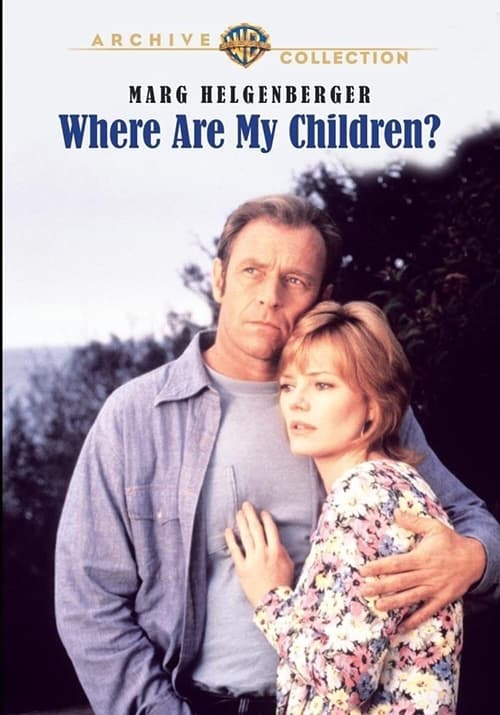
Where Are My Children?
1994
No user ratings available yet
Diversity score: 1.7 out of 10

2000
Director
Catherine Morshead
Runtime
103 minutes
Average Rating
No ratings yetSynopsis
Set at the turn of the 20th century, The Railway Children tells the story of three Edwardian children and their mother who move to a country house in Yorkshire after their father is mysteriously taken away by the police.
Overall Score
Limited
Category Breakdown
LGBTQ+ Representation
The film adheres strictly to early 20th-century social mores. It contains no depictions of non-cisnormative identities or same-sex intimacy, operating within a traditional heteronormative framework.
Gender Representation
Roberta provides a nuanced subversion of Edwardian hierarchies by acting as an intellectual and emotional anchor. While the story remains tethered to maternal roles, her proactive leadership disrupts passive female tropes.
Racial & Ethnic Diversity
The casting reflects a homogeneous Anglo-Saxon demographic consistent with the Edwardian setting. The narrative focuses on British class dynamics rather than intersectional racial identities.
Religious & Cultural Diversity
The story serves as a study of Western domesticity and class stability. It prioritizes the restoration of the traditional family unit and the preservation of social order.
Disability Representation
No visible or invisible disabilities are portrayed as central to the character arcs. Characters are depicted within a standard range of physical and neurotypical functionality.
Strengths
Areas for Improvement
AI Analysis
The film functions as a period-accurate drama that prioritizes historical authenticity over contemporary intersectional representation. It focuses heavily on the internal dynamics of British class and familial resilience within an Edwardian context. While the narrative lacks racial, LGBTQ+, and disability diversity, it offers a subtle subversion of gender roles through its protagonist. The film's structure is designed to uphold traditional Western family models rather than deconstruct them.
1994
1993

2008

1999

1997

2016

2004
2001

2005

1988
No reviews yet. Be the first to share your thoughts on this movie!
Use the rating form above to leave a star rating and optional review.