Well Oiled
1947
No user ratings available yet
Representation score: 0.3 out of 10
Representation Score
Minimal
1943
NRDirector
Milt Schaffer, Emery Hawkins
Runtime
7 minutes
Average Rating
No ratings yetNew Showbiz Analysis
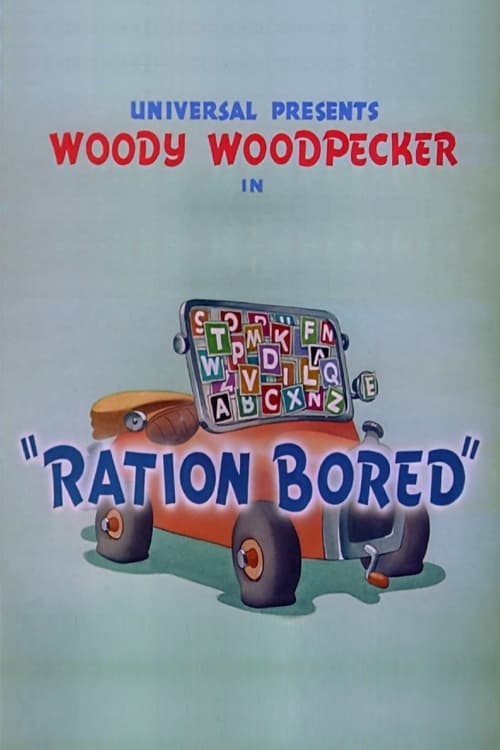
Ration Bored is a character-driven slapstick comedy that emphasizes individualistic mischief over social complexity. The narrative structure follows the standardized animation styles of the early 1940s, centered on Woody Woodpecker's chaotic interactions with authority. Since the film centers on a narrow conflict between a protagonist and law enforcement, it lacks representation of various intersecting identities. The social landscape is uniform, reflecting the era's traditional constraints without offering a nuanced exploration of institutional power or identity. Ultimately, the film serves as a period-specific comedy rather than a vehicle for social or cultural subversion. It adheres to established hierarchies and lacks the diversity necessary for a higher progressive rating.
Category Breakdown
The story focuses on a single protagonist and a conflict with law enforcement. There is no indication of non-straight or non-cisgender identities or same-sex relationships.
The narrative centers around a male-dominated conflict between Woody Woodpecker and a bulldog police officer. Female characters have minimal presence or influence in this slapstick setting.
The setting reflects a wartime American road trip. The cast lacks any mention of non-white or diverse characters.
The film uses wartime patriotism and rationing as a comedic backdrop. It relies on traditional formulas of the 'trickster' versus authority figures.
The provided context contains no information regarding the portrayal of physical or cognitive disabilities.
Present on Screen
Limited or Absent
Official Synopsis
"Is this trip really necessary?" asks a road sign. "Sure, it's necessary," replies Woody Woodpecker. "I'm a necessary evil." Patriotic gestures are evidently not Woody's strong suit. When he goes to the gas station for a refill, he doesn't even know what a ration book is. The attendant thinks Woody is a wise guy and takes a large mallet and knocks him and his car into a junkyard several miles away. What luck! The old cars still have a bit of gas in them. Woody takes a rubber hose and siphons the gasoline from some of them. Unluckily, one of the cars he picks is brand new. And it's a cop car. Woody is soon at odds with a bulldog police officer.
1947
1945
1943
1945
1941

1940

1941
1954
No reviews yet. Be the first to share your thoughts on this movie!
Use the rating form above to leave a star rating and optional review.