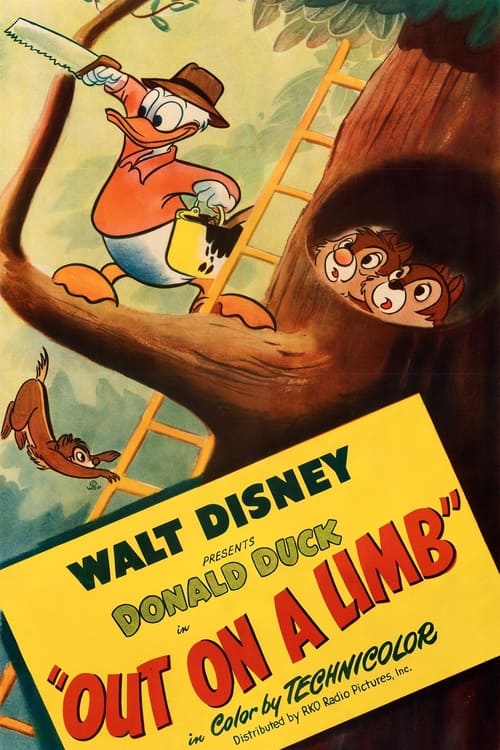
Out on a Limb
1950
No user ratings available yet
Representation score: 0.3 out of 10

Representation Score
Limited
1941
NRDirector
Jack King, Frank Tashlin
Runtime
8 minutes
Average Rating
No ratings yetNew Showbiz Analysis
Timber reflects its 1941 origins by emphasizing slapstick clichés and traditional character types. The narrative structure relies on physical comedy and transactional conflicts rather than exploring social issues. The film lacks diversity across many categories, focusing instead on a narrow, male-centric storyline. It uses physical traits and social roles for comedic effect without offering deeper representation.
Category Breakdown
The film does not include any characters or stories related to LGBTQ+ identities. The plot revolves around traditional comedic conflicts between established character types.
The story is driven by a male-dominated conflict between Donald and Pegleg Pete. There are no visible female characters or challenges to traditional gender roles.
Characters are portrayed using classic animation archetypes such as hobos and authority figures. There is no indication of racial or ethnic diversity among the cast.
The setting uses traditional Western lumberjack and railroad themes. Although the hobo represents a underrepresented social class, the film relies on slapstick humor rather than social critique.
Pegleg Pete uses a prosthetic leg as a key part of his character. This depiction serves as a quick way to identify him rather than a detailed look at living with a disability.
Present on Screen
Limited or Absent
Official Synopsis
Hobo Donald steals dinner off Pegleg Pete's table. Pete gives Donald a stick of dynamite. Then he puts Donald to work chopping trees. To say Donald is an inept lumberjack is understating the case. After several mishaps, Pete/Pierre chases Donald on railroad handcars.
1950
1954
1955
1950
1940
1949
1959
1932
No reviews yet. Be the first to share your thoughts on this movie!
Use the rating form above to leave a star rating and optional review.