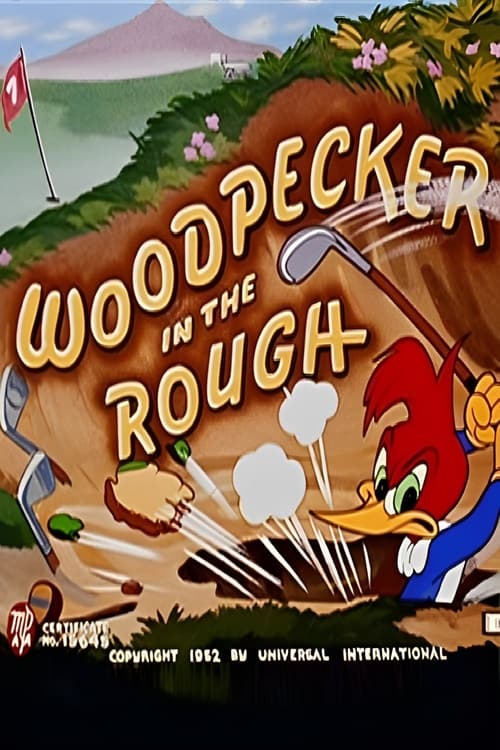
Woodpecker in the Rough
1952
No user ratings available yet
Representation score: 0.8 out of 10

Representation Score
Minimal
1940
NRDirector
Alex Lovy, Walter Lantz
Runtime
7 minutes
Average Rating
No ratings yetNew Showbiz Analysis
Knock Knock is a product of the mid-20th century animation era, focusing on physical comedy rather than exploring identity. The story centers on the conflict between Andy Panda and Woody Woodpecker, which keeps the emphasis on physical humor over social issues. The film upholds the social norms of the 1940s, especially through its patriarchal family structure and conservative views on domestic life. It serves as a traditional comedic short that preserves established hierarchies without questioning them. Since the characters are anthropomorphic animals, they do not provide the depth needed to explore racial or cultural identities, resulting in a conventional, homogeneous domestic environment typical of early American animation.
Category Breakdown
The film does not include any LGBTQ+ characters or stories that go beyond the assumption that everyone is straight. It follows the traditional norms of 1940s animation.
The story revolves around a patriarchal family structure, emphasizing the traditional roles of authority and protection within the family.
The characters are anthropomorphic animals that fit into standard comedic roles. There are no clear signs of racial or ethnic diversity in the story.
The narrative highlights traditional Western values and the importance of maintaining a stable home. It focuses on keeping the family safe from outside disturbances.
There is no indication of how physical or neurodivergent disabilities are portrayed. The characters' actions are driven by the need for comedic effect.
Present on Screen
Limited or Absent
Official Synopsis
A woodpecker (Woody) repeatedly pecks the roof of Andy Panda's and his father's home. Daddy sets out to stop it.
1952
1957
1945
1939
1941
1959

1951
1940
No reviews yet. Be the first to share your thoughts on this movie!
Use the rating form above to leave a star rating and optional review.