
Woody Woodpecker
1941
No user ratings available yet
Representation score: 2.1 out of 10
Representation Score
Fair
1941
NRDirector
Walter Lantz
Runtime
7 minutes
Average Rating
No ratings yetNew Showbiz Analysis
The film is a product of its era, prioritizing anarchic slapstick over progressive representation. While it successfully challenges traditional institutional stability, it does so through harmful and outdated lenses. The score is heavily influenced by regressive racial caricatures and the mockery of mental health issues. These elements undermine the film's themes of social disruption. Ultimately, the work functions as a study in the deconstruction of social order, but it relies on familiar formulas that reinforce historical prejudices and exclusion.
Category Breakdown
The film includes a scene where a police officer is tricked into undressing, using this moment for humiliation rather than exploring LGBTQ identity.
The story centers on a power struggle between a civilian and an authority figure. It deconstructs traditional masculinity by showing the officer as vulnerable and easily manipulated.
The animation uses reductive caricatures, such as a 'Chinaboy' persona and a rickshaw, to create comedic deception through racial 'otherness'.
The narrative celebrates anti-social behavior and the rejection of institutional authority. Woody Woodpecker thrives by disrupting social decorum and subverting the rule of law.
Mental health issues are used strictly as a comedic punchline. The officer's institutionalization is portrayed as a sign of total defeat, using neurodivergence as a device for mockery.
Present on Screen
Limited or Absent
Official Synopsis
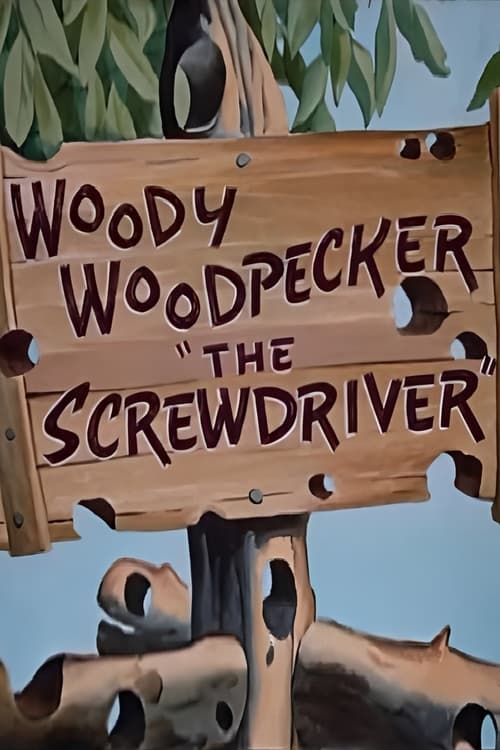
Woody Woodpecker is driving through the countryside and is, shall we say, not a stickler for the rules. He's practically asking for trouble when he confronts a traffic cop who explains he is looking for speeders. Woody reveals himself to be a speeder by driving to Alaska and back in less than a minute. The cop tries to arrest him but Woody states, "I bet ya wouldn't be so tough without that uniform." The officer undresses but Woody attacks him with a boxing glove camera. Woody also gets his goat by dressing as a farmer on horse-and-buggy and as a Chinaboy with rickshaw. Finally, the cop flips out and is sent to a mental hospital with Woody as his caretaker.
1941
1952
1947
1949
1943

1953
1938
1953
No reviews yet. Be the first to share your thoughts on this movie!
Use the rating form above to leave a star rating and optional review.