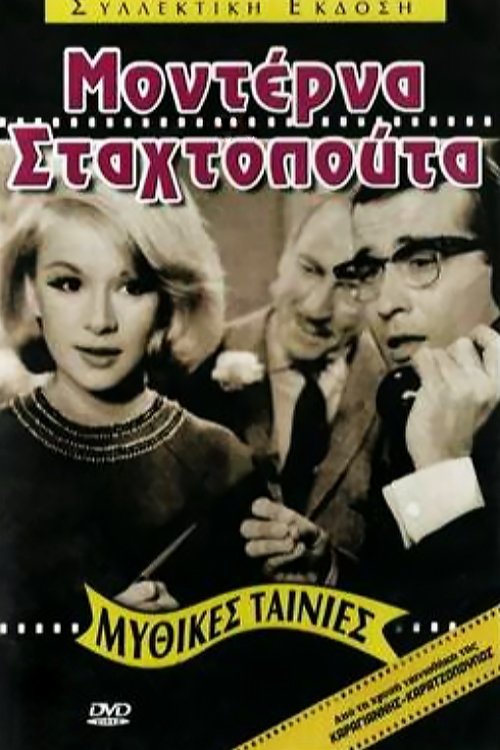
Modern Cinderella
1965
No user ratings available yet
Representation score: 0.8 out of 10
Representation Score
Limited
1966
Director
Alekos Sakellarios
Runtime
94 minutes
Average Rating
No ratings yetNew Showbiz Analysis
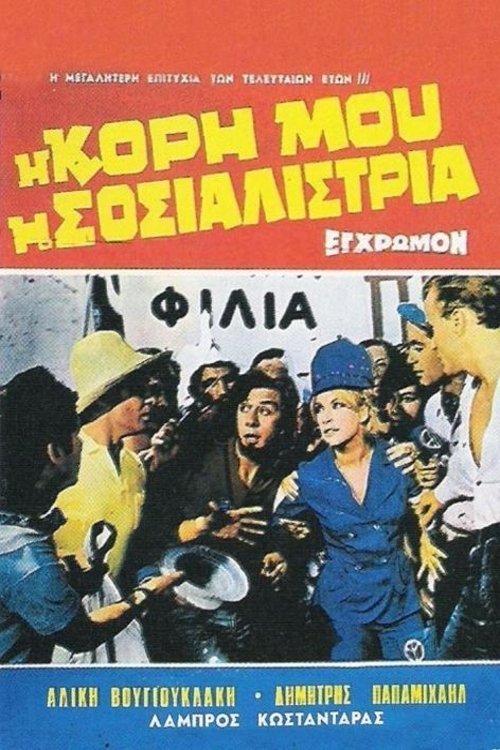
My Daughter, the Socialist is a period comedy that shines in its portrayal of ideological conflict rather than broad demographic diversity. It uses a generational clash to shake up the traditional Greek family unit of the 1960s, replacing passive domestic life with active political involvement. The film stands out in challenging traditional gender roles, giving the main character a strong role that defies the era's male-dominated norms. However, it remains confined by the homogeneous social setting of 1966, lacking in racial or LGBTQ+ representation. Ultimately, the film's diversity lies in its cultural critique. It uses humor to question capitalist structures and traditional authority, offering a progressive alternative to typical domestic comedies of the time.
Category Breakdown
The film follows typical romantic storylines from the 1960s. There are no LGBTQ+ characters or stories that go against the assumption that everyone is straight or cisgender.
The main female character plays a significant role in driving the story through her strong beliefs and actions. She challenges the traditional male-dominated structure by standing up to her father's authority.
Set in a mostly white Greek setting, the film doesn't show diverse racial backgrounds. It reflects the social and cinematic norms of its time.
The story questions traditional economic systems by focusing on socialist ideas. It highlights the conflict between traditional capitalist stability and new-world activism.
There are no clear depictions of physical or mental disabilities in the film.
Present on Screen
Limited or Absent
Official Synopsis
Liza falls in love with one of her father's employees. Her socialistic ideas about employment drive her to collide with her father and the sociopolitical status of the time.
1965
1961
1956
1966
1960
1981
1969
1960
No reviews yet. Be the first to share your thoughts on this movie!
Use the rating form above to leave a star rating and optional review.