
One Man and his Cow
2016
No user ratings available yet
Representation score: 5.5 out of 10
Representation Score
Fair
2017
Director
Mike van Diem
Runtime
92 minutes
Average Rating
No ratings yetNew Showbiz Analysis
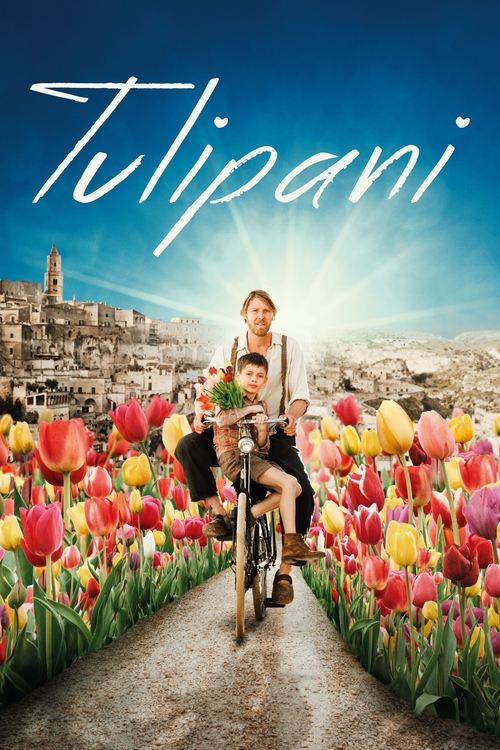
Tulipani is a progressive historical drama that challenges the expected demographic homogeneity of the genre. By focusing on a Muslim refugee in mid-century Europe, it shifts the perspective from a traditional Eurocentric wartime narrative to one centered on individual cultural survival. The film's strength lies in its intentional approach to racial and cultural diversity. It effectively uses a post-colonial lens to treat the outsider not as a peripheral figure, but as the primary driver of the emotional landscape. While the film excels in ethnic and cultural complexity, it remains strictly oriented towards heterosexual relationships. It lacks representation for LGBTQ+ identities or disability.
Category Breakdown
The film centers on a heterosexual relationship between the main character and a member of the host family. There are no LGBTQ+ identities or subtexts explored.
During wartime, the traditional gender roles shift, allowing the female lead to play a significant role in driving the story. This challenges the usual patriarchal structures of the time through a meaningful romantic connection.
The film places a non-white, Muslim protagonist at the center of a Eurocentric historical genre. It breaks the typical homogeneity of period dramas by showing an Afghan man's integration into Dutch society.
The story explores the tension between the protagonist's Islamic identity and a Christian-dominated European environment. It uses the Nazi occupation to critique traditional Western institutional power and social structures.
There are no significant depictions of visible or invisible disabilities that affect the narrative.
Present on Screen
Limited or Absent
Official Synopsis
After losing his farm during the floods of 1953, a romantic Dutch farmer is tired of getting his socks wet. He cycles to Italy and decides to grow tulips in the sweltering heat of Puglia.
2016

2016

2001

2017

2018

2019
1995

2019
No reviews yet. Be the first to share your thoughts on this movie!
Use the rating form above to leave a star rating and optional review.