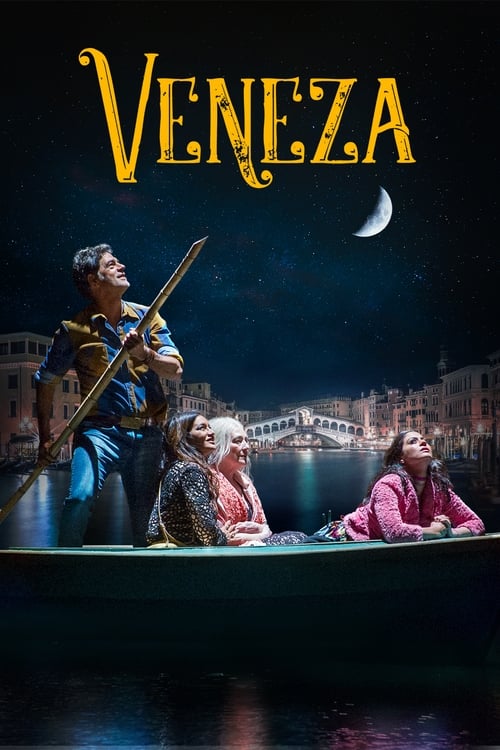
Venice
2021
No user ratings available yet
Representation score: 8.9 out of 10

Representation Score
Good
1995
Director
Juan Campanella
Average Rating
No ratings yetNew Showbiz Analysis
The film stands out by placing a character with a physical disability at the center of its narrative. It portrays paralysis as a catalyst for an active, goal-oriented journey rather than a state of mere suffering. However, the film remains within traditional storytelling boundaries, following conventional structures in its romantic and social dynamics. While it does not explore broader multi-layered or identity-driven themes, it successfully elevates a underrepresented physical experience to a position of narrative importance.
Category Breakdown
The film does not include explicit representations of LGBTQ+ identities or queer narratives. The central romantic storyline is presented through a traditional lens of lost love.
The story focuses on a single male protagonist's struggles. Without additional information on the female lead's role, the representation adheres to conventional dramatic clichés.
While the film's setting provides an implicit cultural backdrop, there is no specific mention of racial composition or multi-layered identities.
The narrative highlights individual resilience against systemic forces. The emphasis is on personal loss rather than adherence to religious doctrine.
The film centers on a character with paralysis. By portraying his struggle as an active pursuit of love, the story emphasizes ability to act over passive suffering.
Present on Screen
Limited or Absent
Official Synopsis
In a struggle against the impossible — the current, the whole world, and every imaginable circumstance — he will do everything to regain the love he lost that day.
2021

1992
2010

2016
2009

2011

2008

1987
No reviews yet. Be the first to share your thoughts on this movie!
Use the rating form above to leave a star rating and optional review.