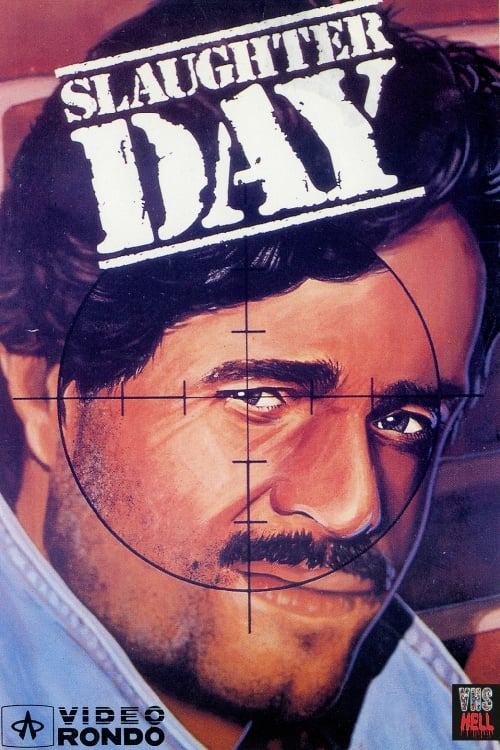
Slaughter Day
1972
No user ratings available yet
Diversity score: 3.6 out of 10

1971
GDirector
Ferde Grofé Jr.
Runtime
91 minutes
Average Rating
No ratings yetSynopsis
A group of six thieves selected from different areas are sent a letter that promises them a minimum of $50,000 and includes a plane ticket. The letter instructs them to grow a beard. After being given a blindfolded ride from the airport, they arrive at a ghost town and meet with the boss (Number #1, Jan Murray). All of the "Wolves" are assigned a number, wear identical overalls and instructed never to take off the gloves that they are given. They are only to address eachother by their numbers; in that way, if one is caught, he can't rat-out the others. Number #1 reveals to them that they will take over a town, and clean it out. Using the ghost town for training, they develop their tactics to fleece the town.
Overall Score
Fair
Category Breakdown
LGBTQ+ Representation
The film lacks explicit depictions of LGBTQ+ identities or non-heteronormative relationships. The narrative focuses strictly on a professional criminal collective.
Gender Representation
The story centers on a group of six thieves, a premise that leans toward traditional masculine archetypes. There is no visible female agency or subversion of gender hierarchies.
Racial & Ethnic Diversity
While characters are selected from different areas, there is no evidence of a non-white majority. The use of identical clothing and numbers tends to homogenize individual ethnic identities.
Religious & Cultural Diversity
The film engages with themes that challenge institutional stability. By framing criminals as a tactical unit, it disrupts conventional morality and critiques traditional community structures.
Disability Representation
There are no visible or invisible disabilities portrayed. No character arcs are defined by physical or neurodivergent conditions.
Strengths
Areas for Improvement
AI Analysis
The film functions as a genre-driven crime drama that prioritizes systemic subversion over demographic representation. Its narrative structure focuses on the mechanics of a heist and the anonymity of its protagonists. While the film achieves a higher score in cultural representation by exploring anti-establishment objectives, it lacks intersectional complexity. The emphasis on anonymity through numbers and identical attire serves the plot but flattens individual identities. Ultimately, the work presents a collective, anonymous unit rather than a diverse cast of distinct individuals, resulting in a low overall diversity score.
1972
1965
1949
1960
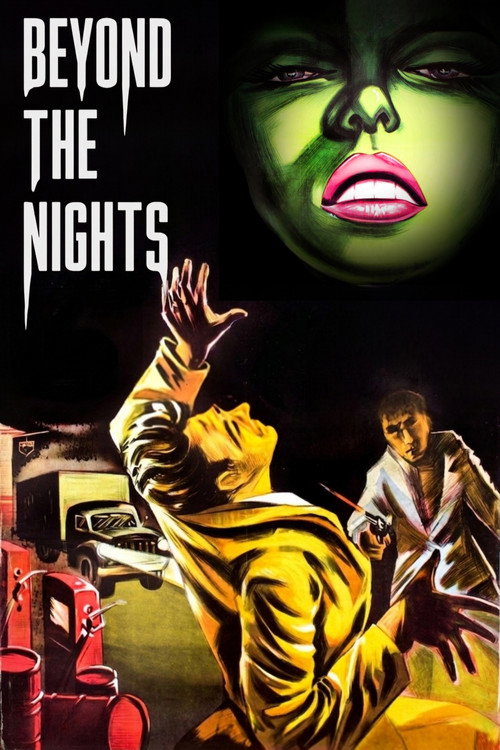
1960
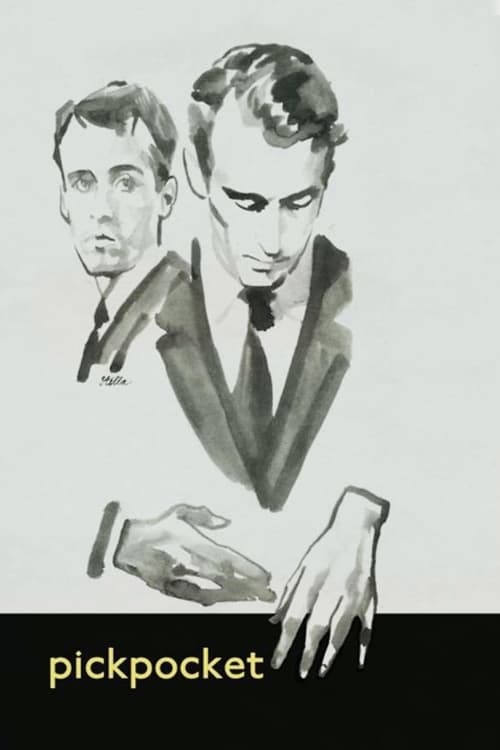
1959
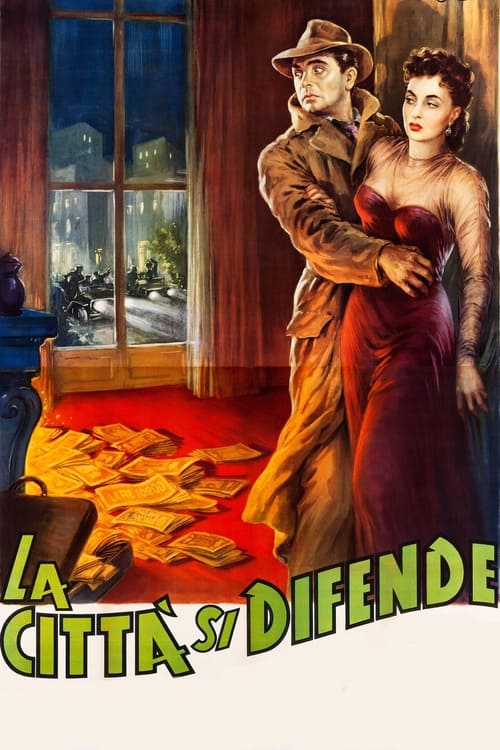
1951
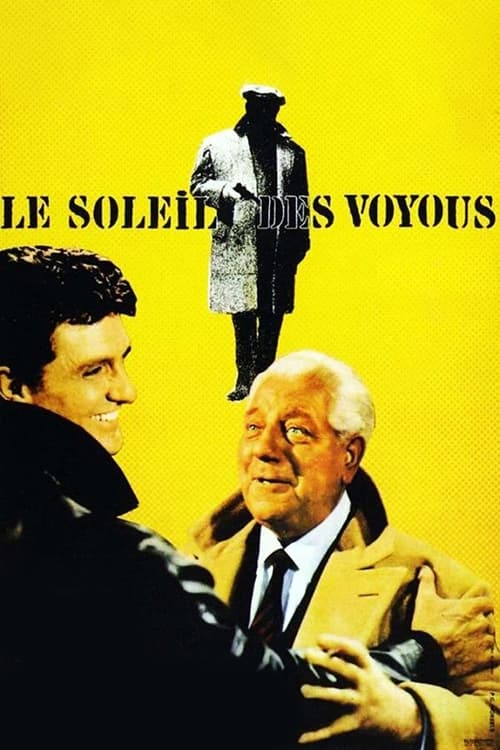
1967
1960
1960
1973

1965
No reviews yet. Be the first to share your thoughts on this movie!
Use the rating form above to leave a star rating and optional review.