Johnny Got His Gun
1971
No user ratings available yet
Representation score: 4.5 out of 10
Representation Score
Fair
1972
RDirector
George Roy Hill
Runtime
100 minutes
Average Rating
No ratings yetNew Showbiz Analysis
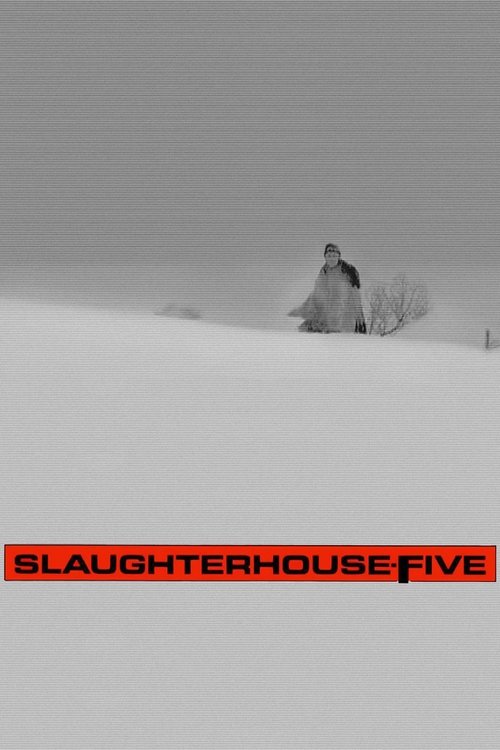
Slaughterhouse-Five is a sophisticated intellectual critique that prioritizes systemic and philosophical deconstruction over demographic variety. It excels at challenging Western moral frameworks and traditional heroic narratives through its unique non-linear structure. However, the film lacks meaningful representation of LGBTQ+ identities and maintains a demographic profile consistent with mid-century cinematic norms, resulting in low racial and ethnic diversity. While it subverts male archetypes, female characters remain secondary to the protagonist. The film's strength lies in its nuanced portrayal of psychological trauma and its radical cultural critique, which elevates it beyond a standard war drama.
Category Breakdown
The film focuses entirely on the protagonist's existential and temporal journey. There are no LGBTQ+ characters or explorations of non-straight relationships present.
Billy Pilgrim subverts traditional masculine roles by being passive and detached rather than a typical war hero. However, female characters like Valencia are primarily defined by their connection to Billy and have limited independent roles.
The cast is predominantly white, reflecting the mid-20th-century historical context of the Allied experience. The film does not prioritize diverse perspectives or utilize actors from different racial backgrounds.
The film offers a profound critique of Western institutions and wartime bureaucracy. The Tralfamadorian perspective deconstructs traditional notions of causality, progress, and justice through radical moral relativism.
Billy Pilgrim’s fragmented experience serves as a metaphor for dissociation and PTSD. The narrative treats this psychological trauma as a central, valid lens for viewing reality.
Present on Screen
Limited or Absent
Official Synopsis
Billy Pilgrim, a veteran of the Second World War, finds himself mysteriously detached from time, so that he is able to travel, without being able to help it, from the days of his childhood to those of his peculiar life on a distant planet called Tralfamadore, passing through his bitter experience as a prisoner of war in the German city of Dresden, over which looms the inevitable shadow of an unspeakable tragedy.
1971
1944
1984
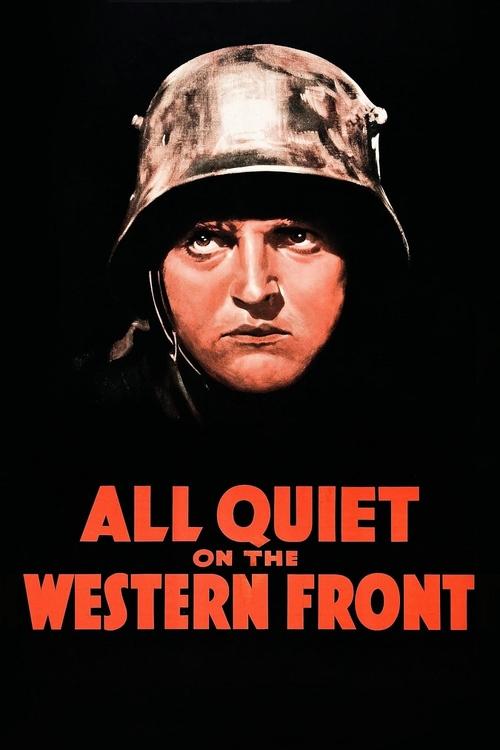
1930
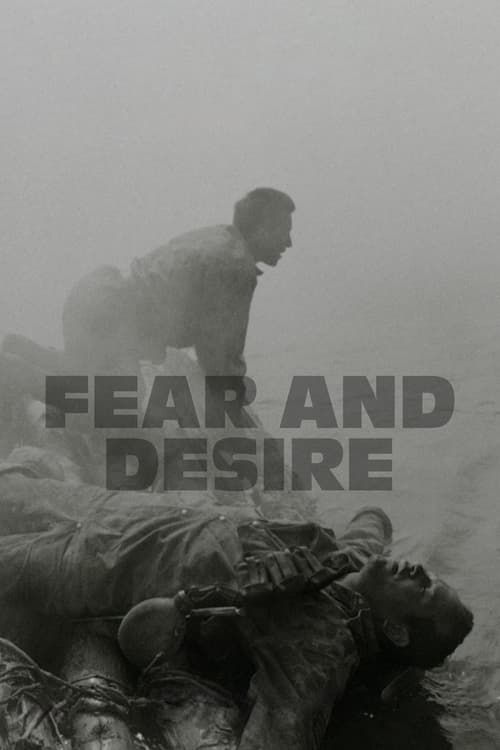
1953

1968

1957
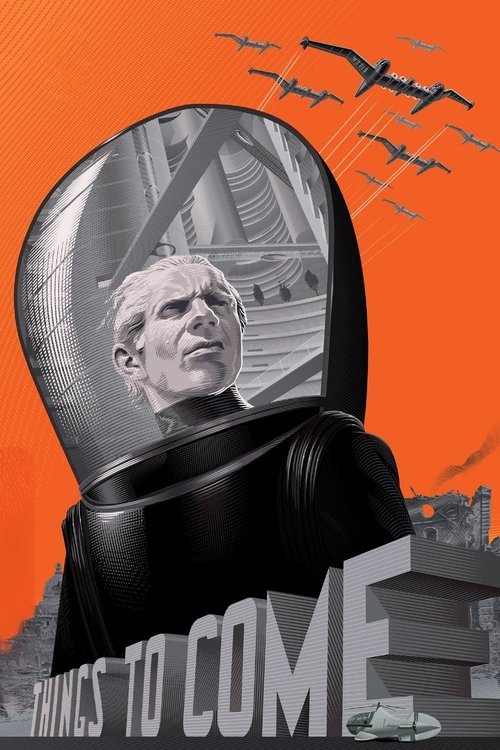
1936
No reviews yet. Be the first to share your thoughts on this movie!
Use the rating form above to leave a star rating and optional review.