What's New Pussycat?
1965
No user ratings available yet
Representation score: 3.5 out of 10
Representation Score
Fair
1972
PGDirector
Herbert Ross
Runtime
85 minutes
Average Rating
No ratings yetNew Showbiz Analysis
The film stands out by deconstructing the 'competent leading man' archetype, focusing instead on a socially awkward and emotionally vulnerable protagonist. This portrayal offers a fresh psychological perspective often missing from period romantic comedies. However, the film remains confined to the demographic norms of its time. It centers on a white, middle-class experience with limited multi-layered diversity, focusing primarily on straight-centered relationships and traditional courtship. While it uses neurodivergence for character development, these traits are often employed as comedic plot devices. Overall, the film maintains a narrow social focus, emphasizing individual neurosis over a broader, more diverse perspective.
Category Breakdown
The film focuses mainly on heterosexual relationships and traditional courtship. There are no visible LGBTQ+ characters or explorations of non-binary gender identities.
It challenges typical masculine stereotypes by showing a neurotic and vulnerable leading man. However, female characters mostly serve to highlight the male protagonist’s emotional journey.
Set in a predominantly white urban setting, the film features a cast that reflects the demographics of the 1970s. It centers on a white, middle-class experience with minimal racial diversity.
The film questions idealized Western romantic ideals by depicting cinematic obsession as a psychological issue. It portrays social eccentricity with empathy rather than moral judgment.
The film explores extreme anxiety and social phobia through the protagonist. These conditions are used primarily as comedic elements rather than fully developed characters with ability to act.
Present on Screen
Limited or Absent
Official Synopsis
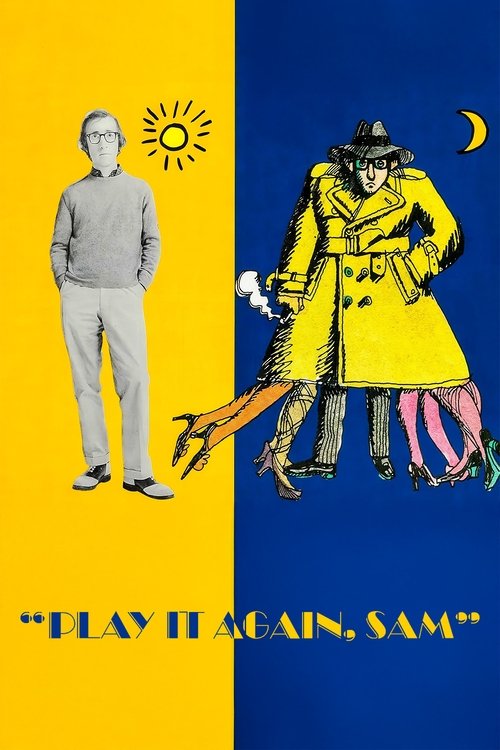
A neurotic film critic obsessed with the movie Casablanca attempts to get over his wife leaving him by dating again with the help of a married couple and his illusory idol, Humphrey Bogart.
1965

1942
1957

1960

1940

1940
1994
1937
No reviews yet. Be the first to share your thoughts on this movie!
Use the rating form above to leave a star rating and optional review.