
Whatever Works
2009
No user ratings available yet
Diversity score: 4.6 out of 10
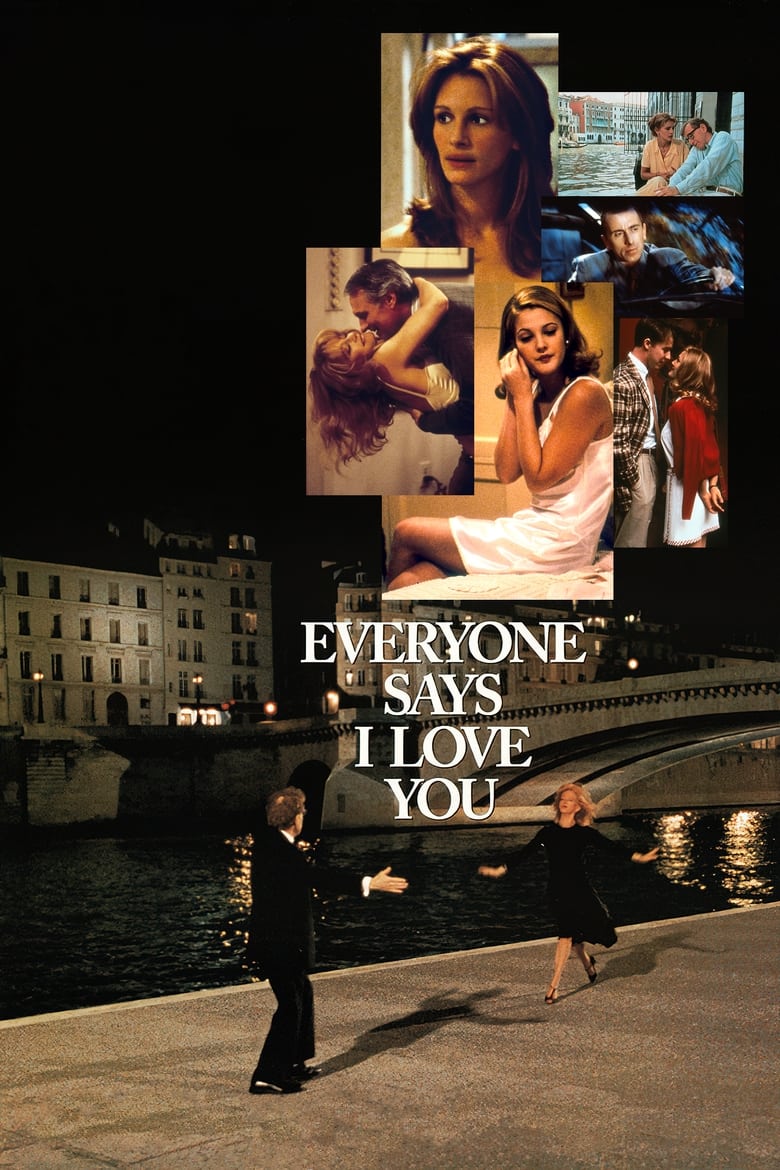
1996
RDirector
Woody Allen
Runtime
101 minutes
Average Rating
No ratings yetSynopsis
A New York girl sets her father up with a beautiful woman in a shaky marriage while her half sister gets engaged.
Overall Score
Limited
Category Breakdown
LGBTQ+ Representation
The film adheres to a traditional heteronormative structure. Romantic conflicts focus almost exclusively on cisgender, heterosexual characters and conventional companionship.
Gender Representation
Female protagonists drive the plot through intellectual autonomy and agency. They avoid submissive archetypes, appearing instead as neurotic and vocal participants in their own lives.
Racial & Ethnic Diversity
The setting focuses on a homogeneous, upper-middle-class, white, Jewish New York milieu. There is a lack of intersectional representation or non-Anglo-Saxon presence.
Religious & Cultural Diversity
The narrative deconstructs traditional institutions like marriage and the nuclear family. It prioritizes subjective emotional truths and moral relativism over religious or social absolutes.
Disability Representation
There is no intentional portrayal of physical or sensory impairments. Psychological neuroses are treated as comedic character traits rather than meaningful explorations of disability.
Strengths
Areas for Improvement
AI Analysis
The film operates within a specific cultural and demographic vacuum. While it grants female characters significant intellectual weight and agency, it lacks broader intersectional depth. The narrative focuses on individual neurosis rather than diverse lived experiences. Its progressive value lies in subverting traditional moral and familial stability. By favoring a postmodern, relativistic view of relationships, it avoids reinforcing conservative social structures, even while remaining demographically narrow.
2009

2007

2003

1992

2000

1997

2001

1979

2003

1993
1997

1997
No reviews yet. Be the first to share your thoughts on this movie!
Use the rating form above to leave a star rating and optional review.