In Tahrir Square: 18 Days of Egypt's Unfinished Revolution
2012
No user ratings available yet
Representation score: 7.7 out of 10
Representation Score
Fair
2016
GDirector
Anna Roussillon
Runtime
111 minutes
Average Rating
No ratings yetNew Showbiz Analysis
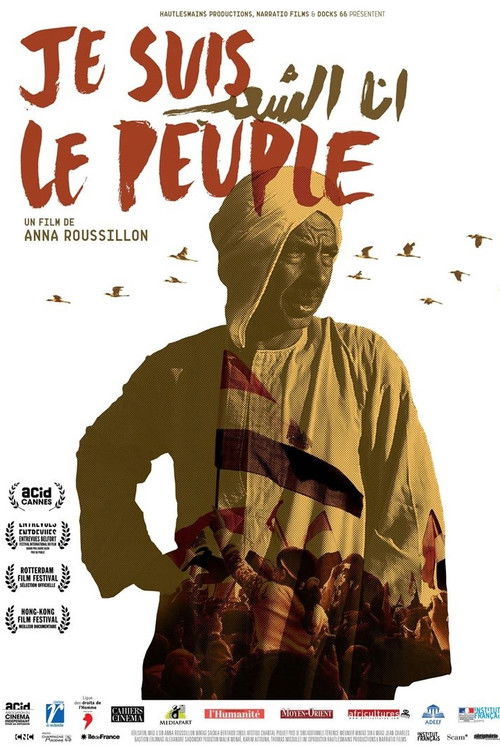
I Am the People succeeds as an ethnographic study that disrupts conventional journalistic hierarchies. By shifting the focus from the urban spectacle of Tahrir Square to the peripheral experience of Egyptian villagers, the film grants a significant role to a demographic often sidelined in global political discourse. The documentary provides a nuanced view of how national political shifts affect the private, gendered spheres of rural life. While it does not engage in overt identity-based activism, its observational lens captures the intersection of grassroots movements and socioeconomic realities. Ultimately, the film's strength lies in its refusal to prioritize metropolitan centers of power. It offers a sophisticated disruption of traditional storytelling by centering the survival and political awareness of the rural working class.
Category Breakdown
The film serves as a socio-political study of a rural community and does not include any LGBTQ+ characters or stories about non-straight or non-cisgender identities.
The documentary showcases gendered labor within a traditional rural setting. It avoids focusing solely on male actors by documenting women's domestic and communal roles, although it does not actively challenge traditional gender hierarchies.
The film excels by highlighting non-Western, non-urban perspectives. It provides an authentic look at the Egyptian peasantry, presenting them as complex individuals rather than passive observers of the revolution.
The narrative highlights the disconnect between urban elites and the rural working class. It contrasts capitalist consumerism with the rhythms of rural life.
The film does not specifically address neurodivergence or physical disabilities. It portrays inhabitants as a collective without intentional representation of disability-specific roles.
Present on Screen
Limited or Absent
Official Synopsis
January 2011 in Egypt was marked by anti-government demonstrations. While tens of thousands of protesters gathered in Cairo, poor villagers in the country's south followed the tense situation on Tahrir Square on their TV screens and in the daily newspapers. It is from their perspective that this documentary captures the political changes in Egypt, from the toppling of President Mubarak to the election of Mohamed Morsi.
2012
2013

2015
2019
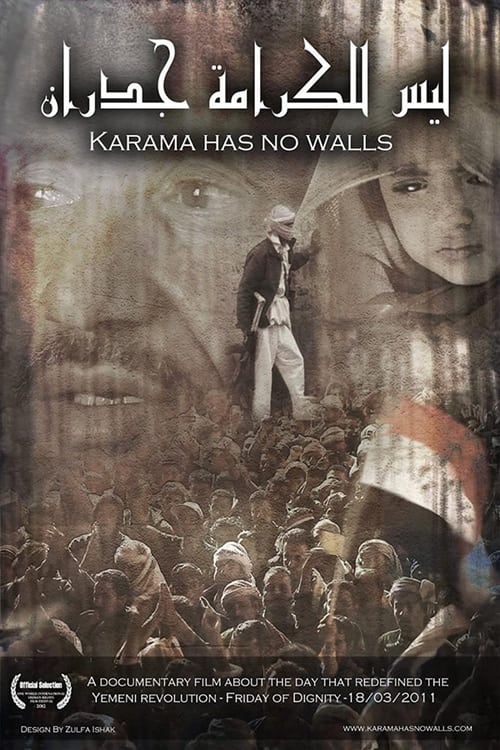
2012
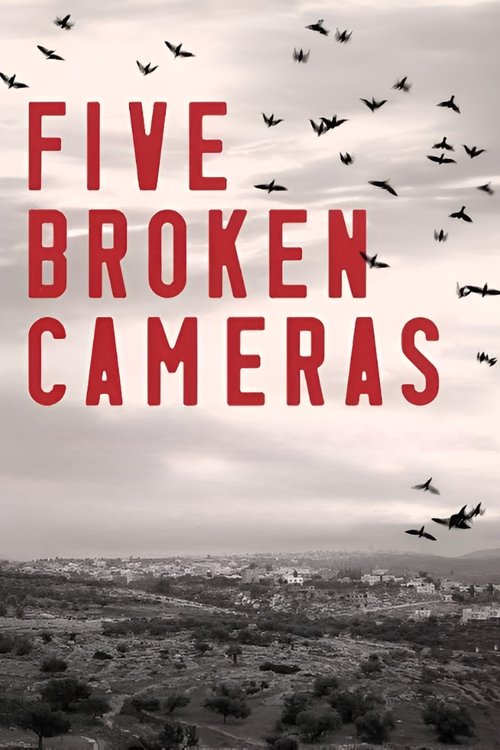
2011
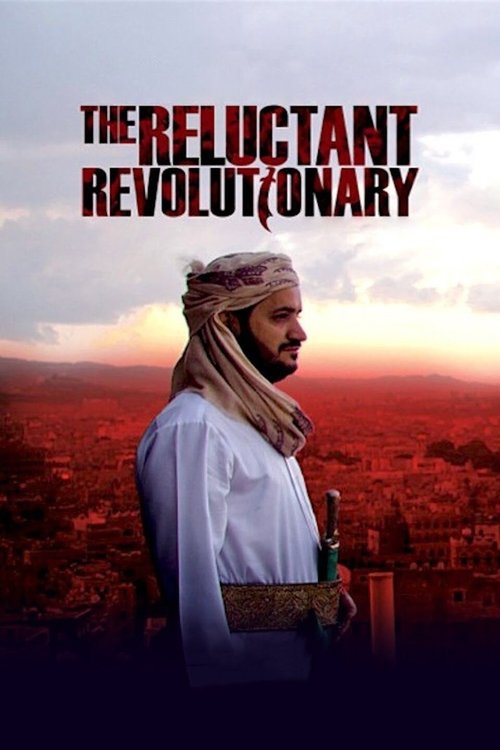
2012

2014
No reviews yet. Be the first to share your thoughts on this movie!
Use the rating form above to leave a star rating and optional review.