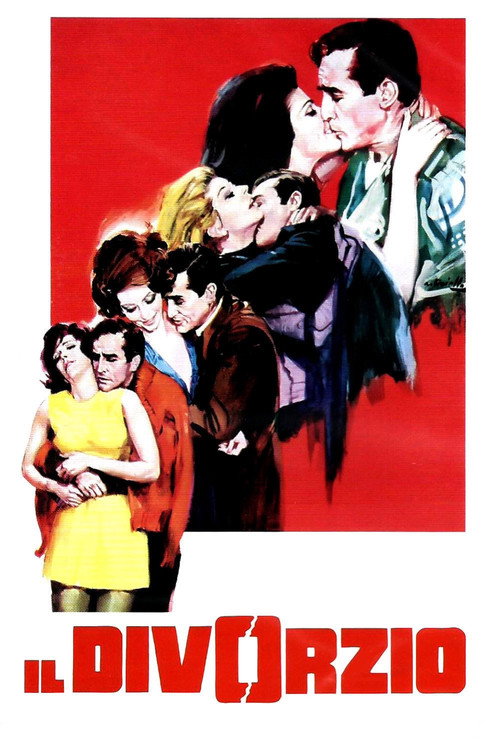
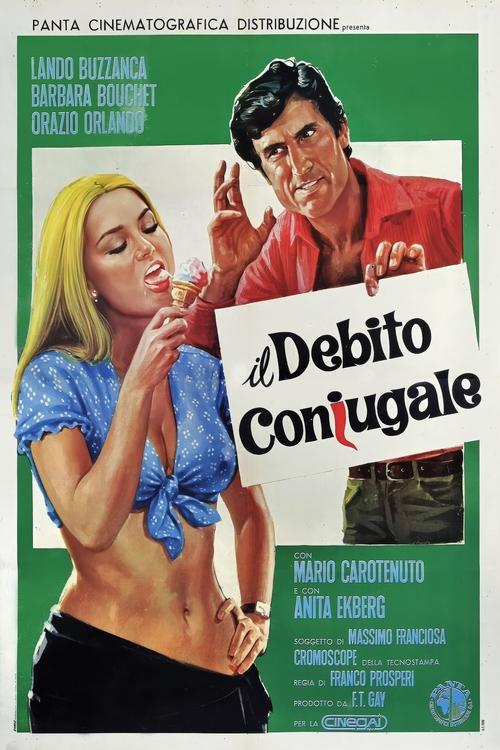
The Divorce
1970
No user ratings available yet
Representation score: 4.3 out of 10
Representation Score
Limited
1970
Director
Franco Prosperi
Runtime
91 minutes
Average Rating
No ratings yetNew Showbiz Analysis
The film follows the comedic traditions of its time, using well-known archetypes to advance its plot. Although it presents a minor subversion of traditional gender roles by depicting the wife as a dominant figure, this is primarily used for comedic effect. The storyline centers on the conflict between a lazy husband and his demanding wife, lacking multi-layered complexity. The protagonist's quest for personal freedom through nomadic travel critiques traditional marital structures but does not delve into broader societal issues. Overall, the film adheres to the commercial norms of its era, emphasizing genre clichés over progressive representation or systemic social commentary.
Category Breakdown
The film does not include any LGBTQ+ narratives or characters with non-traditional sexual orientations or gender identities.
The story challenges traditional gender roles by showing the wife as a powerful and controlling figure. However, this portrayal is used mainly as a comedic device rather than a serious exploration of women's empowerment.
The cast appears to be predominantly white and homogeneous, without any indication of diverse ethnic backgrounds or characters who reflect more than one aspect of diversity.
The narrative focuses on individualist escapism and interpersonal relationships within the family, without addressing broader cultural or systemic issues.
There is no information about the portrayal of characters with physical or cognitive disabilities.
Present on Screen
Limited or Absent
Official Synopsis
Romolo, a man lazy and devoid of any interest, has been married for ten years with Ines, the owner of a small service station. Tired of supporting his despotic and demanding wife, Romolo searches for a way out and finds it when Orazio, a former fellow soldier, who lives by his wits, invites him to roam freely with him around the world.
1970
1972
1958

1952

1965
1977

1980
1990
No reviews yet. Be the first to share your thoughts on this movie!
Use the rating form above to leave a star rating and optional review.