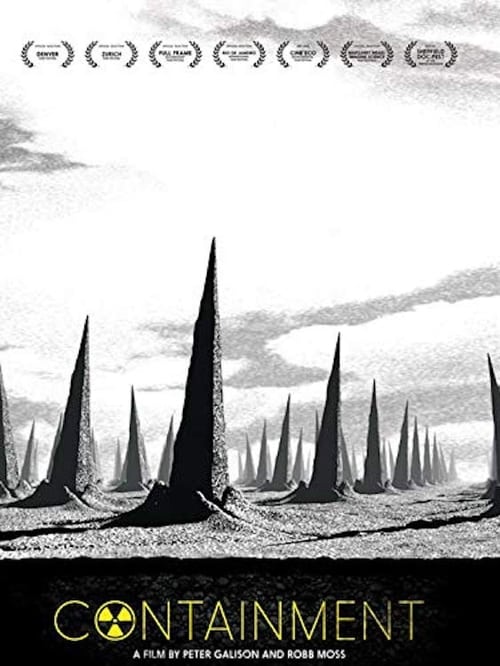
Containment
2015
No user ratings available yet
Representation score: 5.2 out of 10

Representation Score
Fair
2010
Director
Michael Madsen
Runtime
75 minutes
Average Rating
No ratings yetNew Showbiz Analysis
This documentary prioritizes scientific and geological permanence over social identity. Its main goal is to document the technical challenges of managing radioactive waste in Finland for 100,000 years. Because it serves as a specialized educational tool, it lacks intentional storytelling that reflects multiple aspects of identity. It does not actively engage with or challenge social hierarchies, resulting in a neutral stance on identity politics. The narrative structure focuses on environmental safety and engineering rather than human-centric social dynamics, leading to a lack of representation across most demographic categories.
Category Breakdown
The film does not include any LGBTQ+ characters or themes related to non-traditional gender identities. Given its focus on nuclear waste, it does not address issues of the assumption that everyone is straight or cisgender or queer narratives.
The story centers on engineering and geology. Although the gender of the featured scientists is not specified, the subject matter aligns with traditional technical fields.
The film focuses on a specific Finnish industrial context. While international experts may appear, there is no indication of a non-white majority cast or diverse racial casting.
The film examines humanity's relationship with the environment and long-term stewardship. It critiques societal volatility but does not promote specific anti-Western or anti-capitalist frameworks.
There is no evidence that physical disabilities, mental health conditions, or neurodivergence play a role in the narrative or serve as character traits.
Present on Screen
Limited or Absent
Official Synopsis
Every day, the world over, large amounts of high-level radioactive waste created by nuclear power plants is placed in interim storage, which is vulnerable to natural disasters, man-made disasters, and to societal changes. In Finland the world’s first permanent repository is being hewn out of solid rock – a huge system of underground tunnels - that must last 100,000 years as this is how long the waste remains hazardous.
2015
2007
2004
2010
2016
2013

2022
2009
No reviews yet. Be the first to share your thoughts on this movie!
Use the rating form above to leave a star rating and optional review.