
The Gazebo
1959
No user ratings available yet
Diversity score: 1.8 out of 10
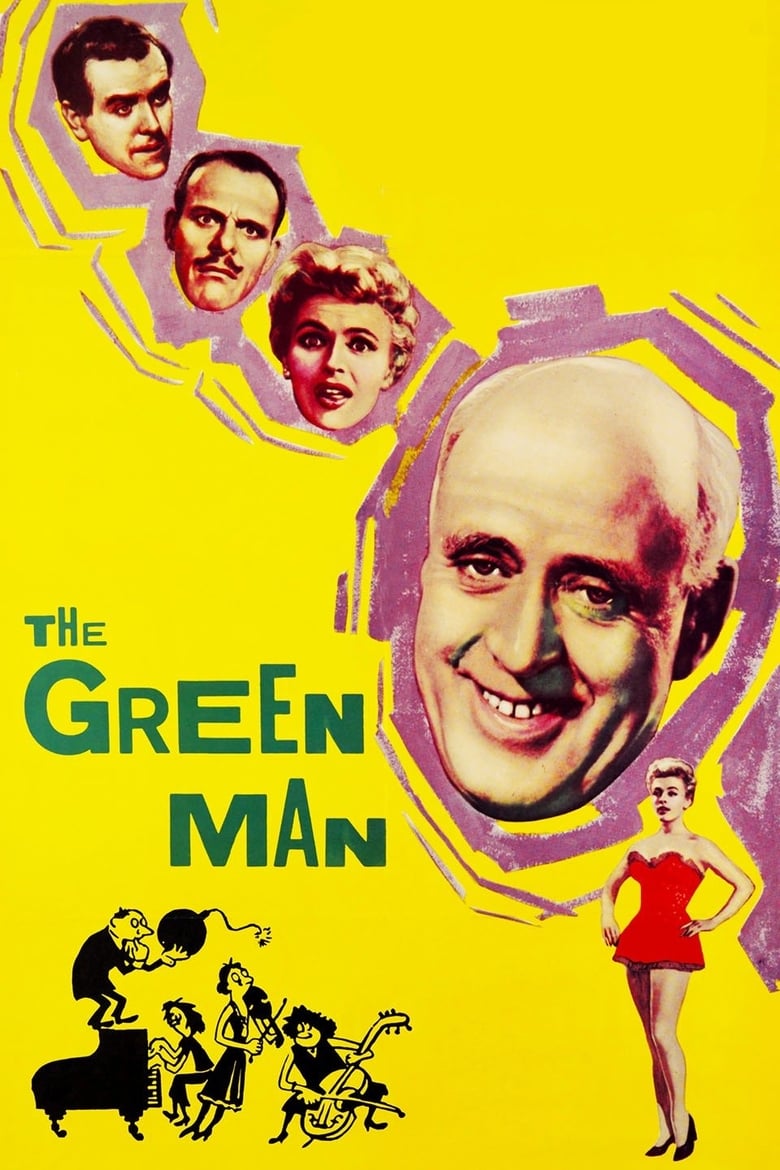
1956
NRDirector
Robert Day, Basil Dearden
Runtime
80 minutes
Average Rating
No ratings yetSynopsis
Unknown to everyone but his shady Middle Eastern bosses, watchmaker Hawkins is actually a professional hired assassin with a predilection for killing his targets with bombs. After disposing of a dictator and millionaire, Hawkins is assigned to kill a politician who is heading to a remote hotel, The Green Man, for a secret tryst with his secretary. There, however, Hawkins' plot is discovered by vacuum salesman William Blake, who determines to stop him.
Overall Score
Limited
Category Breakdown
LGBTQ+ Representation
The film adheres to 1950s heteronormative standards. The plot centers on a politician's secret tryst with a female secretary, reinforcing traditional romantic tropes without challenging them.
Gender Representation
Narrative agency is concentrated in male characters like Hawkins and Blake. Women appear in supporting roles, such as the secretary, primarily serving as plot catalysts rather than independent drivers.
Racial & Ethnic Diversity
The cast is largely homogeneous. While Middle Eastern bosses are mentioned, they function as shady narrative devices and ethnic archetypes rather than nuanced, high-agency characters.
Religious & Cultural Diversity
The story operates within a traditional Western framework. It focuses on individual morality and capitalist themes like greed and wealth without offering significant cultural or secular critiques.
Disability Representation
There is no discernible representation of physical, sensory, or neurodivergent identities. Characters are portrayed through standard able-bodied archetypes.
Strengths
Areas for Improvement
AI Analysis
The Green Man functions as a conventional mid-century crime comedy that reflects the social hierarchies of 1950s British cinema. The narrative structure prioritizes male agency and relies on established tropes to drive the suspenseful plot. Representation is limited by the era's standards, utilizing ethnic archetypes for antagonists and relegating women to supporting roles. The film lacks intentionality in disrupting traditional power dynamics or identity norms. Ultimately, the work serves as a standard period piece that reinforces existing social structures rather than exploring diverse perspectives or intersectional identities.
1959
1980
1956
1960
1962
1966
1957

1966
1966
1979
1943

1947
No reviews yet. Be the first to share your thoughts on this movie!
Use the rating form above to leave a star rating and optional review.