
Hamlet
1980
No user ratings available yet
Representation score: 3.4 out of 10
Representation Score
Good
1985
Director
Jane Howell
Runtime
167 minutes
Average Rating
No ratings yetNew Showbiz Analysis
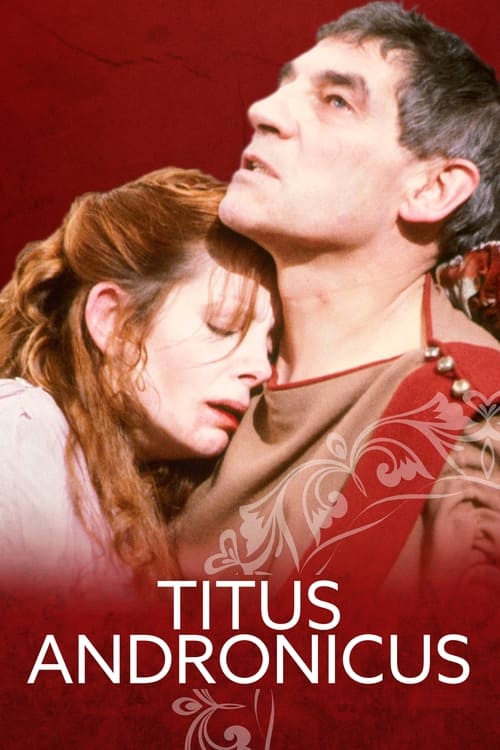
Jane Howell’s production uses a traditional framework to explore systemic corruption and identity. By casting diverse actors, it challenges Eurocentric norms, especially through the character of Aaron the Moor. This introduces a post-colonial tension into the Roman setting. The film emphasizes strong women's ability to drive the story, positioning women as key drivers of the political narrative. However, the depiction of disability is closely tied to violent events, focusing on resilience in adversity. The production remains focused on traditional power structures and does not include any representation of LGBTQ+ identities.
Category Breakdown
The film does not include any non-binary or LGBTQ+ identities. It focuses on traditional power dynamics between men and women.
Women play key roles in the film, using strategic intelligence to shape the story. Despite showing intense misogyny, female characters are central to the plot.
The film features Black actors in significant roles, adding complexity to the racial makeup. This challenges the uniform Roman imperial identity.
Roman law is portrayed as corrupt, blurring the line between civilized justice and barbarian vengeance. This deconstructs Western institutional stability.
Lavinia’s loss of speech and manual dexterity highlights physical disability. Her resilience in a broken system is a central theme.
Present on Screen
Limited or Absent
Official Synopsis
Having subdued the Goths, warrior Titus Andronicus returns to Rome to bury his sons, with Gothic Queen Tamora and her retinue as captives. The newly-dead Roman Emperor's two sons, Saturninus and Bassianus, are competing for their father's title. According to Roman custom, Titus sacrifices Tamora's eldest son to the Gods; having the deciding vote, he also chooses Saturninus as Emperor.
1980
1999
2010
1964
1979
1953
1989
1971
No reviews yet. Be the first to share your thoughts on this movie!
Use the rating form above to leave a star rating and optional review.