Endangered Species
1982
No user ratings available yet
Representation score: 3.9 out of 10
Representation Score
Minimal
1973
PGDirector
James William Guercio
Runtime
114 minutes
Average Rating
No ratings yetNew Showbiz Analysis
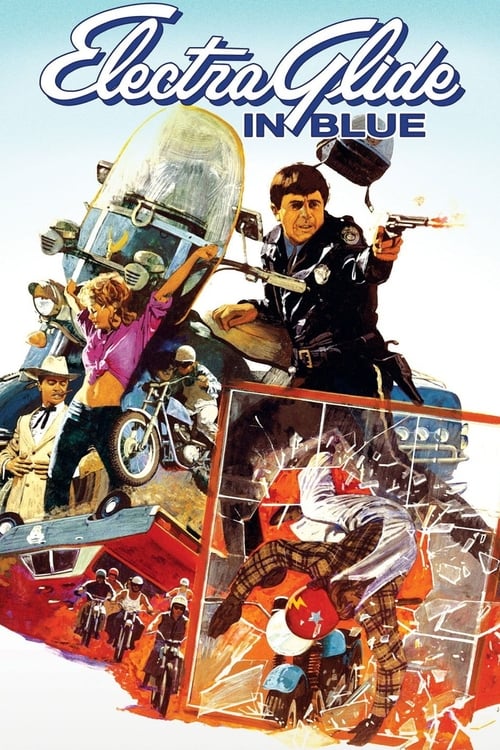
Electra Glide in Blue is a character-driven crime drama that prioritizes psychological realism over social representation. The narrative is built upon traditional masculine dynamics and a homogeneous social lens, reflecting the era's genre clichés. The film lacks complexity in representing diverse identities, focusing instead on the deconstruction of the hero archetype. It offers little challenge to established social hierarchies, remaining rooted in the conventional casting and social structures of early 1970s cinema.
Category Breakdown
The film adheres strictly to traditional social norms. There is no evidence of non-binary gender identities or same-sex relationships within the narrative.
The story reinforces traditional gender roles by focusing almost exclusively on male camaraderie. Women remain peripheral, serving in domestic or romantic roles without independent ability to act.
Casting is predominantly homogeneous, centering on a white male cast. The film lacks significant representation of diverse racial or ethnic identities in its core arcs.
The film explores moral relativism and the psychological erosion of individuals within law enforcement. It functions as a character study of disillusionment rather than a social critique.
There is no notable depiction of visible or invisible disabilities. Mental health conditions are not presented as central narrative elements.
Present on Screen
Limited or Absent
Official Synopsis
A short Arizona motorcycle cop gets his wish and is promoted to Homicide following the mysterious murder of a hermit. He is forced to confront his illusions about himself and those around him in order to solve the case, eventually returning to solitude in the desert.
1982
1955
1983
1964
1970

1955
1973

1949
No reviews yet. Be the first to share your thoughts on this movie!
Use the rating form above to leave a star rating and optional review.